Since our last conversation, what has been the biggest change in your life as a writer, and how has it influenced your storytelling?
I believe I would have to say the engagement I still enjoy with readers after all these years, and knowing they still look forward to whatever I’m writing, and what I will be releasing next.
Your novels are known for blending romance with suspense. Has your approach to balancing these elements evolved over the years?
I believe it has. I have always written more than one genre as I find the assortment stimulating when I return to romantic fiction drama, for which I am best known. Stretching your boundaries is always challenging, both in writing as well as life. My upcoming novel will find me dabbling in suspense, the macabre, and possibly horror, though at time I’m uncertain as to how much, if any, but I find it both interesting and challenging, so we shall see.
You often transported readers to vivid, dreamlike settings. What inspires the worlds you create today, and has that inspiration changed recently?
Thank you, and I hope they enjoy it, as I do when I write scenes that are described that way. As a writer, one must not be inhibited to open one’s soul to prying eyes, for this is a must in allowing a scene to become successful. I’ve always been a realist in that respect. Many have come to know my theatrical side and have enjoyed my dramatic film shorts that I both appear in and produce. A couple of film shorts, such as “Altered States” show me in the company of an alien concept, and another presents me in the vulnerable state I was in that was based on an actual happening many years ago. The film is titled, “Blackwood in Emergency.” My videos and film shorts can be viewed on my YouTube Channel: https://www.youtube.com/@rustycarolweir.
Looking back at your earlier books, is there anything you would write differently if you were starting them today?
Oh yes. I hope I’ve grown as a writer, like all writers I would think. My early publications, especially my first 4, Feelings, Young Minds, and the 2-part Passion in Paris, were written without direction. At the time I felt they were good, but I now believe that was because I “wanted” them to be good, but with time, effort, and failure, you learn the pitfalls, and you also learn how to avoid them. One hopes each new title will outshine the previous, and I believe I’ve accomplished that, at least I hope I have. I write from the heart, as well as my life experiences, and I have learned through trial and error how to blend all of this into a successful forum that I feel comfortable within.
Your work celebrates passion, hope, and emotional resilience. What emotions are you most drawn to exploring in your current writing?
I believe I would say expressing horror-stricken belief. I have experienced tremendous upset in my life, I’ve written poetry based on those feelings and used it as self-therapy, but writing a poem differs greatly from writing a novel and the avenues that entails. In many ways I’m looking forward to the challenge to see if I can do it.
As someone who also writes poetry and comedy, do these different genres influence the way you craft your romantic fiction?
In a way they do. I feel that creating a story, regardless of genre, requires many emotions throughout it, the same as life itself. One day can bring many emotions throughout it to whomever is experiencing it. It is the same with writing a romantic fiction novel.
Many readers say your characters feel incredibly real. Do your characters ever surprise you by taking the story in an unexpected direction?
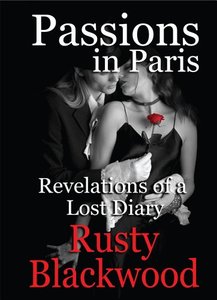
Of course they do. Character creation is my favourite part of putting a book together. I love giving birth to them from my mind to the keyboard, everything about them from their characteristics, their history, and how they fit into the story and their purpose for being there. I found this with the character of Philippe Robealard, the antagonist from Passions in Paris: Revelations of a Lost Diary. He was simply there to create havoc, heartache, and extreme difficulties for the two protagonists, Joy and Cullen, and then I was going to “kill him off.” But the further I wrote him, the more his presence took over demanding an explanation as to why he was the way he was, as well as why he did what he did. I felt the need to both express him and reveal his past for the reader to fully understand him. That did not excuse what he does, but it assists in helping the reader to understand him better.
You have been writing professionally for more than two decades. What has remained constant in your creative process, and what has completely changed?
My love of writing and creating a fictional world all its own is still the same as it has always been. I would say the “change” would be in the urgency and demand to get it done. Creating a story that is worthwhile takes time, it cannot be rushed, at least to produce quality and I will not release anything that I would not read let alone purchase. When I first began, I felt it necessary to constantly produce a certain number of words per day, or to a story, but I found that doing so was draining my creativity, along with my stamina. I learned to fit my writing into my personal life and not let my life be overtaken by my writing, if that makes any sense. Once I got this into perspective, everything settled down, and I found the mix that best works for me.
Your father and teacher played important roles in nurturing your love for writing. Are there any recent experiences or people who have inspired your creativity?
I would have to answer this question by saying life itself. I can become inspired by the wind, rain on the roof, birds chirping, horses running in the pastures, or my great grandchildren’s smiles and laughter. Life experiences can play a huge role in creating a storyline as well as the people with whom the experience is based on. Many things can spark inspiration for me, but the ones I mentioned are a few.
Romance fiction continues to evolve with changing reader expectations. What trends excite you most, and what timeless elements do you believe should never disappear?
I feel the element of timeless love will forever spark a great romantic fiction where love is expressed from the soul, not simply an endless romp on the mattress. A great story can be built around true love between a man and a woman who would walk to the ends of the earth for each other, always there, always present, never out shadowing the other. I don’t write “on trend”, I write from my heart.
Writers often speak about difficult scenes that stay with them long after they're written. Has there been a chapter or character recently that was especially emotional for you to create?
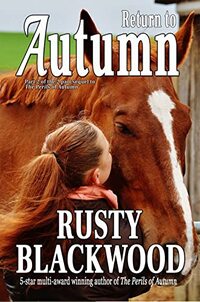
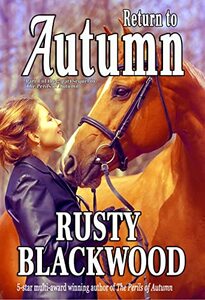
Thinking back, the most difficult scene for me to write that I still think about, is a scene in Passions in Paris: Revelations of a Lost Diary where the main protagonist, Joy Wychmere is convinced the man she has fallen deeply in love with has died. To write her reaction, I recalled my father’s death and how I felt at that time. It was one of the hardest writings I ever did. When I finished the chapter, I had to get away from my keyboard, and it took me a while to return. Another scene from Passions/Revelations was in the scene where Philippe Robealard, in a sane moment, reveals the torture he endured at his mother’s hands while locked in her basement, chained to the wall mere inches from reaching stagnate water, the only water available to drink. Finally, the final scene in Return to Autumn: Part 2, where Autumn says goodbye to her dying husband, Cyril Landon. Scenes like that, especially about favourite and special characters, are difficult to write as I am sure you can understand.
You mentioned that writing is your passion. On days when inspiration is hard to find, what helps you reconnect with that passion?
Stepping away from the keyboard and disconnecting from the problem. I usually take a walk, work in my gardens, or my favourite activity, or play with my great grandchildren.
What can readers expect from your upcoming release, and what makes it different from your previous books?
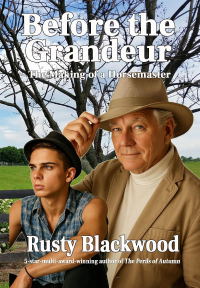
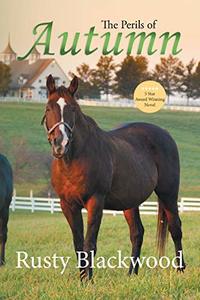
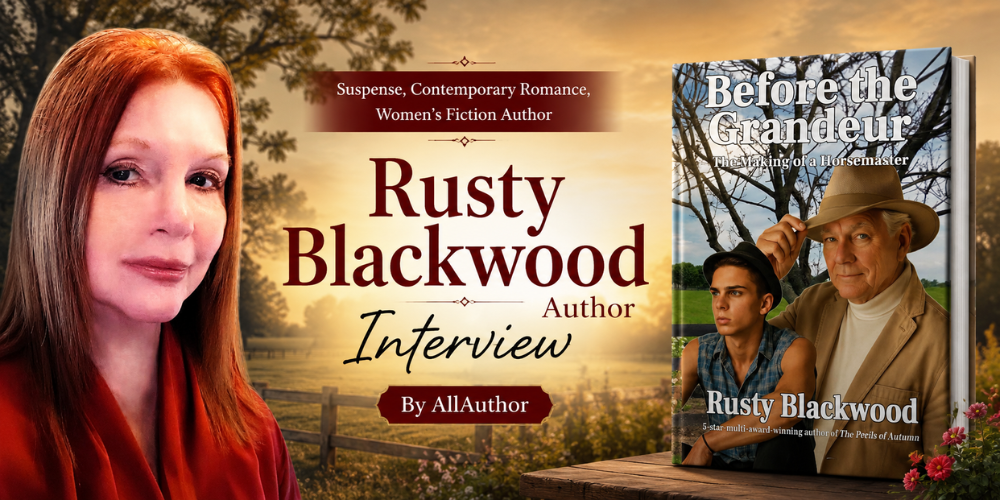
My upcoming release is my present release, Before the Grandeur: The Making of a Horsemaster, which is the prequel to my Autumn Trilogy of books. It differs because it is a prequel, and shines a light on Cyril Landon’s early life, his intense struggles, and how he becomes the applauded Horsemaster readers meet in The Perils of Autumn.
If one of your novels were adapted into a film or television series, which story would you choose first, and why?
I would love to see all my novels on the silver screen; however, I feel the Autumn series of books, beginning with Before the Grandeur: The Making of a Horsemaster, would make a wonderful TV series, miniseries, or a feature film.
You've been part of the All Author community for quite some time now. How has your experience been, and what would you like to say to fellow authors who are considering joining the platform?
I have found your site to be a most important additive to the marketing side of self-publishing. The tools offered, along with the contests, and promotional materials are a plus for any author looking for stable, ongoing coverage. I would highly recommend All Author to any author looking for an all-round great media outlet.