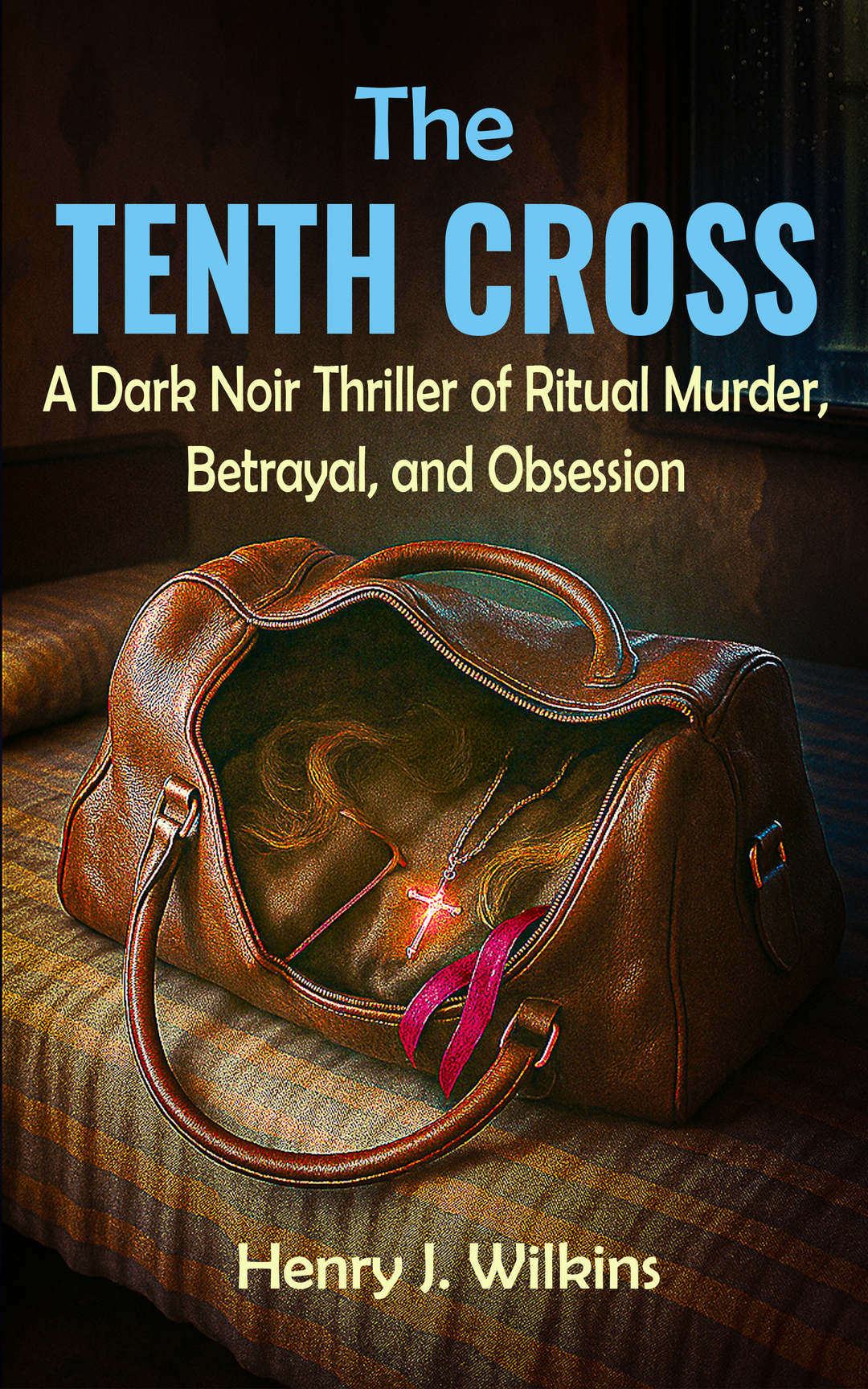
A disturbing psychological thriller about a killer who calls every victim Mary—and the fractured man behind the mask. When one girl survives, everything unravels. Told through detective reports, victim fragments, and the killer’s own words. For fans of You and The Silence of the Lambs.
🧠 Psychological Exploration
Duality of Self – How does the novel portray the split between Ron and Danny? Is Danny simply an alter ego, or does he represent something larger in Ron’s psyche?
Memory and Responsibility – Ron burns the tapes but keeps the crucifixes. What does this say about guilt, denial, and personal reckoning?
Sacred or Profane? – The crucifixes serve conflicting roles: trophies to Danny, relics to Ron. How does this tension mirror their internal divide?
🔎 Narrative Technique
First-Person Immersion – How does the use of first-person present tense enhance (or distort) the reader’s experience of the story?
Unreliable Narration – Can we trust Ron’s account? How does the shifting reality affect your interpretation of events?
Perspective Shifts – What effect does the switch to Officer Rice’s point of view have on the narrative? How does it reframe what came before?
🕯️ Themes and Symbolism
The Meaning of the Crosses – Beyond religion or trophy symbolism, what do the crosses represent emotionally or spiritually?
Religious Trauma – In what ways does Ron’s upbringing shape his view of sin, penance, and purity? How does it influence his actions?
Redemption and Damnation – Is Ron seeking redemption, or is he simply trying to hide from what he’s done? Can he ever be forgiven?
🧩 Ambiguity and Interpretation
The Final Voice – Who (or what) speaks in the epilogue? Does this suggest a cycle, a haunting, or something else entirely?
Ten Crosses, Six Marys – The crucifix-to-victim count mismatch is never fully explained. What theories might explain it? What purpose does this mystery serve?
Is Danny Real? – Do you believe Danny is a separate identity, or a manifestation of suppressed trauma and desire?
BIOGRAPHY Henry J. Wilkins writes fiction that moves through the shadows—literary noir driven by fractured memory, moral ambiguity, and the weight of silence. In The Tenth Cross, he delivers psychological noir at its most harrowing: a brutal meditation on faith, repression, and the lasting violence of belief systems. The book doesn't flinch. It stares hard, and keeps staring.
With Silt: The Two Cuts, Wilkins shifts tone while keeping the blade sharp. This quiet, eerie novella offers social commentary with a deadpan smirk, following two mirrored narratives about complicity, cowardice, and the emotional cost of doing nothing. It’s satire dressed in silt-stained denim—still noir, but with the tongue pressed lightly in cheek.
His forthcoming collection, Is There Some Way Out of Here, turns inward and upward, threading metaphysical unease through surreal landscapes and existential mazes. Across genres and styles, what binds Wilkins’ work is a relentless exploration of identity, guilt, and the impossible hope of escape. Whether deadly serious or grimly amused, his fiction lingers long after the page goes quiet.