Your journey spans military service, fatherhood, and recovery. What first inspired you to turn your experiences into books that others could learn from and connect with?
It started as shrink homework when I was a kid—poems and scribbles to get the noise out of my head. Years later, after six years in the Army, 27 months in the sandbox, two combat tours, three collapsed marriages, and raising two daughters as a single dad while carrying the weight of PTSD, moral injury, and a body held together with hardware, the writing stopped being optional. I realized the same stories that were tearing me apart could become the map for somebody else still lost in the ruins. If I could put the unfiltered truth on the page—the mortars, the guilt of never firing a shot despite all the training, the nights staring at the ceiling wondering if I was going to make it for my girls—then maybe another warrior, another single parent, another person carrying scars wouldn’t feel so alone. Therapy turned into testimony. That was the spark.
Many of your works tackle difficult subjects such as moral injury, PTSD, and chronic pain. What challenges did you face when writing so openly about these deeply personal experiences?
The hardest part wasn’t the writing—it was deciding what to leave in. Every page felt like opening a vein. Writing about the moral injury of coming home feeling like I got ripped off because I never discharged my weapon, the CPTSD episodes that almost got me into real trouble at a civilian job, the chronic pain from cervical fusion and a total hip replacement, the failed marriages, the loneliness of single fatherhood—it all risks becoming performance instead of truth. I had to fight the urge to polish it, to make myself look stronger or more redeemed than I actually was. There’s also the fear that your kids will read it someday and feel exposed, or that other vets will call you soft for admitting the cracks. Authenticity demands you bleed on the page anyway. I chose the bleed.
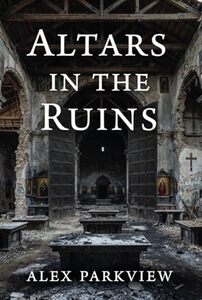
The "From the Ruins" series carries a powerful theme of rebuilding after devastation. What does the concept of "ruins" mean to you, both personally and spiritually?
Ruins are the honest starting point. Personally, they’re the life after the Army, after the divorces, after the surgeries, after the nights when the echoes of Iraq still rattle the walls. They’re the broken relationships, the body that doesn’t move the way it used to, the brain that still hypervigilates at 3 a.m. Spiritually, ruins are where grace actually shows up. Not in the polished sanctuary with perfect lighting, but in the rubble where you’re on your knees wondering if God still bothers with people like you. The series is built on the belief that the same Christ who walked out of a tomb can walk into a ruined life and start rebuilding—not by erasing the scars, but by turning them into the foundation. Ruins aren’t the end. They’re the only place real reconstruction can begin.
Your writing is often described as blunt, honest, and sermon-like. How did you develop this distinctive voice, and why is authenticity so important in your work?
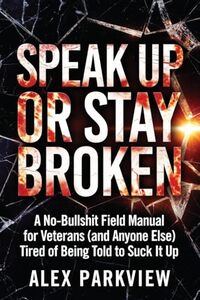
I didn’t develop it so much as refuse to sand it down. Army training, combat, single fatherhood, and sitting through enough therapy and VA appointments will strip the bullshit out of you if you let it. The voice is just what remains when you stop performing for approval. Authenticity matters because the people I’m writing for—vets, trauma survivors, single parents, anyone who’s been told to suck it up—can smell polished piety from a mile away. They don’t need another inspirational poster. They need someone who’s still in the fight saying, “Yeah, it still sucks sometimes, and here’s how I’m still standing.” If the words aren’t true in my own mouth, they’re useless to anyone else.
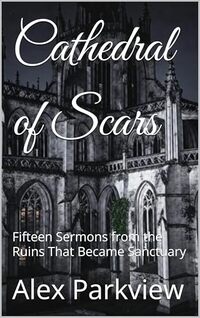
In "Cathedral of Scars" and the books that followed, you explore the idea that healing is not a linear process. What lessons has your own recovery journey taught you about resilience?
Resilience isn’t bouncing back. It’s learning how to keep walking with a limp and still cover ground. My own path—cervical fusion, total hip replacement, ongoing management of diabetes, hypertension, insomnia, CPTSD, the whole cocktail—has taught me that progress looks more like two steps forward, one sideways, and a sudden detour through the weeds. Some days the body cooperates. Some days the mind is a war zone. Resilience is the decision to show up anyway, to take the cane when you need it, to keep hiking the canal paths even when the hardware complains, and to refuse the lie that healing has a finish line. It’s stubbornness married to grace. “I refuse not to heal” isn’t a slogan. It’s a daily choice.
Faith plays a significant role in your books, yet you often present it in a raw and unconventional way. How do you hope readers who struggle with traditional religious narratives will respond to your work?
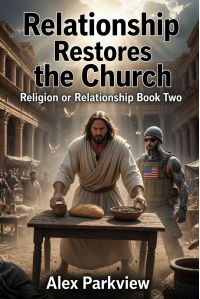
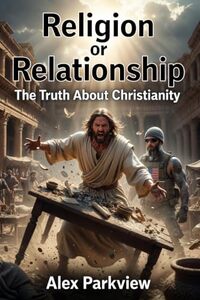
I hope they feel seen instead of sold to. I write from a Christ-centered place, but I’m not interested in the institutional machine or the performance of piety. I’m interested in the Jesus who flips tables, who sits with the broken, who meets people in the middle of their ruins. If someone has been burned by religion, I want them to encounter relationship—honest, messy, sometimes angry, still reaching. My hope is that readers who can’t stomach the polished version of faith might still find room for a scarred, stubborn, grace-soaked version that doesn’t demand they clean up before they come in. The door stays open. The light stays on.
You write for "warriors carrying scars," whether those scars are physical, emotional, or spiritual. What kinds of messages have you received from readers that have stayed with you?
The ones that stay are the quiet ones. A fellow vet who said a book finally named the moral injury he’d been carrying for years. A single dad who told me the words about fatherhood and survival kept him from checking out on a dark night. A chaplain who started using pieces of the work with the troops and families he serves. The messages that land hardest are rarely the polished reviews. They’re the ones that say, “I thought I was the only one still fighting this fight.” Those remind me why the page exists.
Fatherhood appears alongside themes of survival and recovery in your writing. How has being a single father influenced your perspective as both a person and an author?
My daughters are the reason I kept breathing when the darkness was thickest. Raising them alone after the marriages collapsed forced me to become someone better than the man the Army and the trauma tried to leave me as. It taught me that survival isn’t just about making it through the night—it’s about showing up the next morning for the people who still need you. As an author, that reality keeps the writing grounded. I can’t afford to romanticize the struggle or pretend the scars make me special. Fatherhood demands honesty. It also keeps the hope alive, because if I can still be a steady presence for them, then the ruins haven’t won.
Your interests range from buried scriptures to heavy metal music. How do these seemingly different influences shape your creative process and storytelling?
They’re not different to me. The Book of Enoch, the Nag Hammadi texts, the full wider canon, and a Papa Roach track or a Johnny Cash lament all do the same work: they refuse to look away from the dark while still reaching for something larger. Heavy music gives language to the rage and the refusal to quit. Ancient and non-canonical texts remind me that the faith story has always been bigger, weirder, and more honest than the sanitized versions. Both feed the same fire—telling the truth about brokenness without surrendering the possibility of redemption. The playlist and the parchment end up in the same sermon.
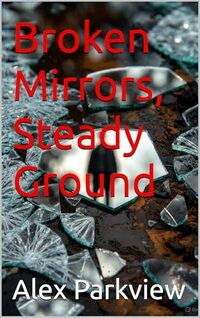
Books like Broken Mirrors, Steady Ground, and This Too Shall Pass? address invisible wounds that many people face. What do you think society still misunderstands about trauma and recovery?
Society still wants trauma to be neat. It wants a clear beginning, a tidy middle, and a victorious ending with a bow on it. Invisible wounds don’t work that way. PTSD, moral injury, chronic pain, the quiet erosion of single parenthood—these things don’t announce themselves with visible scars or convenient timelines. People still confuse “looking fine” with “being fine.” They still treat vulnerability like weakness instead of the only real strength available. Recovery isn’t about erasing the wound. It’s about learning to carry it without letting it define the whole story. Until we stop demanding people hide the limp, we’re going to keep failing the ones who are still walking.
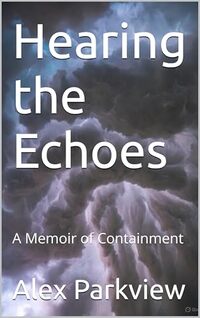
The title "Hearing the Echoes" suggests reflection and memory. How do you balance honoring the past without allowing it to define the future?
You don’t bury the past. You listen to it long enough to learn what it still has to teach, then you decide what gets to ride along and what stays in the rearview. The echoes of Iraq, the failed marriages, the surgeries, the nights of pure survival—they’re part of the architecture now. Honoring them means refusing to pretend they didn’t happen. Refusing to let them define the future means choosing, every day, to keep building something newer on top of the ruins instead of camping in them. Memory is a teacher, not a jailer. I try to keep the difference clear.
Your work often challenges the idea that strength means hiding pain. Why do you believe vulnerability is an important part of healing?
Because the alternative is isolation, and isolation kills. Strength that depends on never letting anyone see the cracks is just another kind of prison. Vulnerability is what turns private suffering into shared ground. When a vet, a single parent, or anyone else finally says the quiet part out loud and discovers they aren’t the only one, something shifts. Healing needs witnesses. It needs people who will sit in the ruins with you instead of demanding you clean it up first. Hiding the pain keeps the wound infected. Naming it, in the right company, starts the real work.
As a self-described "genre-smasher," you blend memoir, reflection, spirituality, and personal testimony. What advantages does this approach give you as a storyteller?
It keeps the story honest. Life doesn’t arrive in clean categories, so why should the books? Memoir alone can become navel-gazing. Pure theology can float off into abstraction. Testimony without the scars underneath it turns into performance. Smashing them together lets the personal and the spiritual, the raw and the reflective, sit at the same table. The reader gets the whole person instead of a curated slice. For the people I’m writing for, that whole person is usually the only thing that lands.
You're on a mission to place your books in the hands of military chaplains and others supporting veterans. What impact do you hope these books will have within those communities?
I want the books to become tools, not trophies. Something a chaplain can hand to a struggling troop or a family and say, “This guy’s been where you are. You’re not crazy and you’re not alone.” I want them to help open conversations that the official system still struggles to have—about moral injury, about the long tail of invisible wounds, about faith that doesn’t require you to pretend you’re fine. If a single warrior feels less alone, or a single chaplain has one more honest resource, the mission is already worth it.
Looking back on your writing journey and your long-term goals as an author, what has been your experience working with AllAuthor, and how has the platform contributed to connecting your books with readers?
AllAuthor has been one of the practical tools in the indie toolbox—another way to put the work in front of readers who might not have found it otherwise. For an author who does everything from the ground up, any platform that helps with visibility, discovery, and connection matters. It’s contributed by giving the books more places to be seen and more chances to reach the people they’re actually written for. The real goal has never been the platform itself. It’s getting the words into the hands of the warriors still carrying the scars.