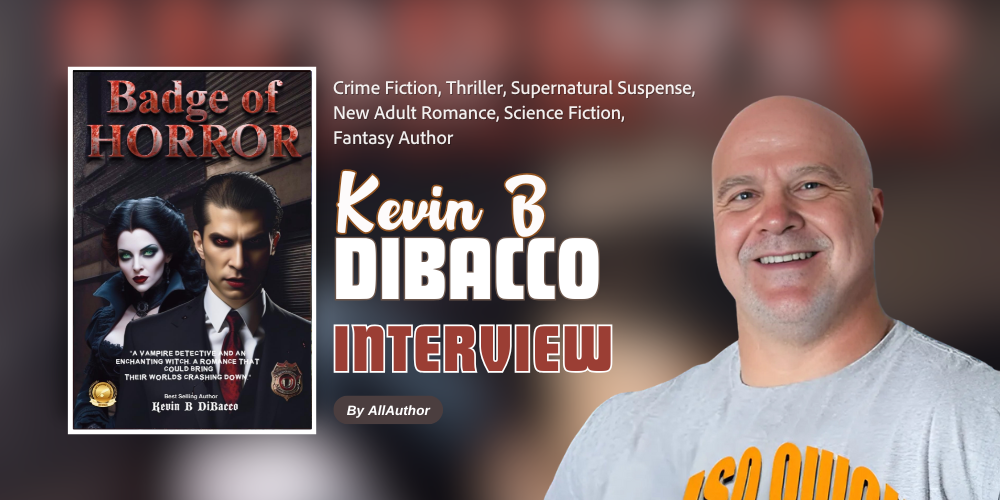
Your journey from USAF Security Forces veteran to bestselling author and award-winning filmmaker is remarkable. How did your military experience shape your creative career?
My time in the USAF Security Forces instilled in me a discipline and attention to detail that became the foundation of everything I do creatively. The military teaches you to see projects through to completion, no matter how challenging they become. That mindset proved invaluable during my 37-year filmmaking career and especially when facing rejection in the publishing world. The strategic thinking and problem-solving skills from my service help me approach each creative project with precision and purpose.
You've faced incredible health challenges, from major surgeries to clinical depression. How have these personal battles influenced your writing and filmmaking?
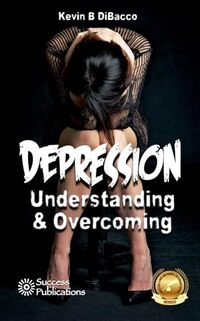
These experiences gave me something you can't learn in school—authentic human perspective. Going through life-threatening brain surgery and a three-year recovery taught me that vulnerability can be a source of strength, not weakness. My battle with clinical depression became the raw material for "Depression: Understanding and Overcoming." When you've stared down your mortality and mental health challenges, you understand that every story worth telling has truth at its core. These battles didn't just influence my work—they became the heart of it.
Your book "Depression: Understanding and Overcoming" draws deeply from your experiences. What do you hope readers will take away from this book?
I want readers to know they're not alone and that depression isn't a character flaw—it's a medical condition that can be managed and overcome. My goal is to strip away the stigma and provide practical, real-world strategies that actually work. Most importantly, I want people to understand that seeking help is a sign of strength, not weakness. If my story can help even one person take that first step toward healing, then sharing my darkest moments was worth it.
You often talk about your "Life Warrior" mindset. Can you share how this philosophy helped you through your most difficult moments—and how others can apply it in their lives?
The Life Warrior mindset is built on my motto: "If you can see it, you can do it." During my brain surgery recovery, when doctors weren't sure about my prognosis, I visualized myself not just surviving but thriving. I pictured myself writing again, creating films, inspiring others. A Life Warrior doesn't ignore pain or pretend challenges don't exist—they acknowledge the battle and choose to fight anyway. Others can apply this by setting one small, achievable goal each day and celebrating those victories while keeping their eyes on the bigger vision.
Your literary catalog spans from mental strength to environmental issues and fitness. How do you choose which topics to tackle next, and what's your research process like?
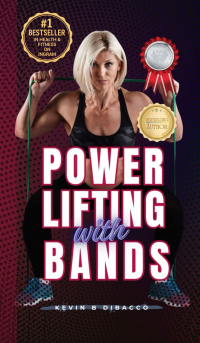
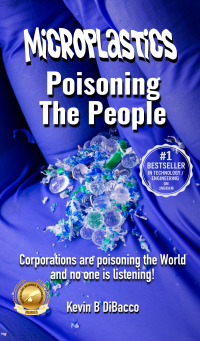
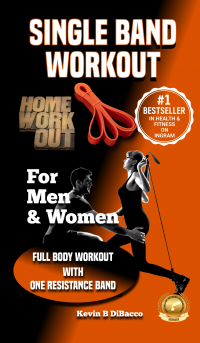
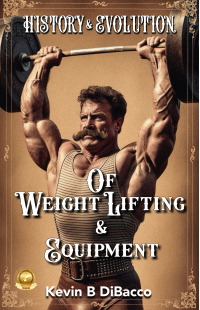
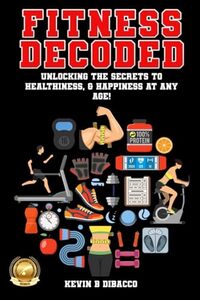
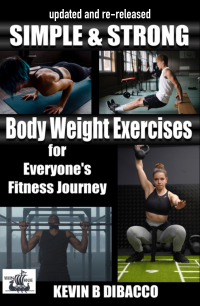
I write about issues that either personally affect me or that I see affecting the world around us. "Microplastics: Poisoning the People" came from my concern about what we're doing to our environment and our bodies. My fitness books stem from my transformation—losing 60 pounds at age 62. I research extensively, consulting experts, reading scientific studies, and most importantly, testing concepts in my life before sharing them with readers. If I can't live it authentically, I don't write about it.
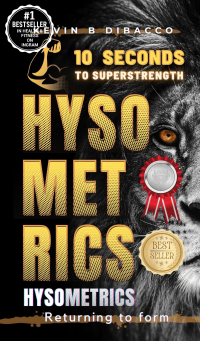
Your innovative ISO QUICK STRENGTH program bridges mental resilience with physical training. What inspired you to create this program, and what makes it unique compared to other fitness systems?
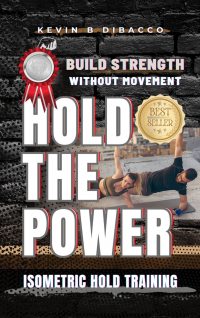
After my health challenges, I realized that mental and physical strength are inseparable. You can't build lasting physical fitness without mental resilience, and you can't maintain mental toughness without taking care of your body. ISO QUICK STRENGTH was born from my recovery—combining the discipline I learned in the military with practical fitness techniques that work for real people with real limitations. What makes it unique is that it treats the mind and body as one integrated system, not separate entities.
With over 37 years in filmmaking, what's the biggest lesson you've learned about the industry—and what advice would you give aspiring indie filmmakers?
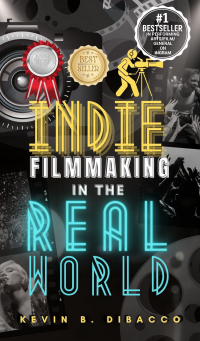
The biggest lesson is that persistence trumps perfection every time. I've had films at Sundance and Cannes, but I've also had countless rejections. The industry will test your resolve at every turn. My advice to indie filmmakers is simple: focus on telling stories that matter to you, build genuine relationships rather than just networking, and never stop learning your craft. Most importantly, understand that every "no" gets you closer to the right "yes."
You've secured seven traditional publishing deals—an impressive feat in today's market. What challenges and triumphs have you experienced navigating the publishing world?
The publishing world can be brutal; rejections pile up; timelines stretch, and sometimes deals fall through. But securing deals with houses like Viking House, Chelsea House Press, Page Turner, Tribune, and Global Publishing Agency taught me that persistence and professionalism matter more than talent alone. The triumph isn't just seeing your book in print—it's knowing you've created something valuable enough that publishers are willing to invest in it. Each contract confirms not just the work but the journey to create it.
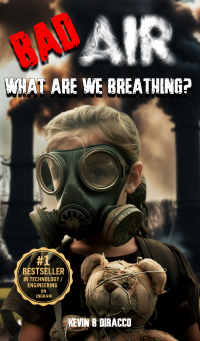
Your books "Microplastics: Poisoning the People" and "Bad Air: What Are We Breathing?" tackle pressing environmental issues. What motivated you to address these topics, and how do you hope your readers respond?
As someone who's faced serious health challenges, I became acutely aware of how our environment directly affects our wellbeing. These aren't abstract issues—they're impacting every person on the planet right now. I hope readers don't just become informed but become advocates for change. Knowledge without action is just intellectual entertainment. I want people to make different choices, demand better from companies, and protect their families' health.
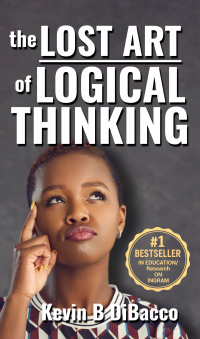
In "The Lost Art of Logical Thinking," you emphasize critical thinking skills. How do you think society can regain this essential skill in an age of information overload?
We've created a culture of instant opinions and emotional reactions. Critical thinking requires slowing down, asking better questions, and being comfortable with uncertainty. Society needs to value the process of thinking, not just the speed of responding. We must teach people to seek multiple sources, question their biases, and understand that complex problems rarely have simple solutions. It starts with each individual choosing depth over speed.
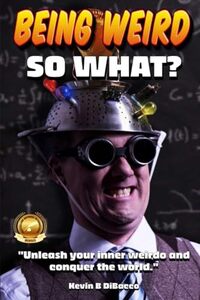
You've spoken about the power of "Being Weird" and unleashing one's inner weirdo. Why is embracing our uniqueness so crucial to success and happiness?
"Being Weird" is about authenticity—refusing to apologize for who you are. I've learned that our quirks, our unconventional approaches, our different perspectives are actually our superpowers. When I stopped trying to fit into everyone else's definition of success and started building my own path, everything changed. Embracing your weirdness isn't just crucial for happiness—it's essential for innovation, creativity, and making a real impact in the world.
What has been the most surprising reaction you've received from a reader or viewer—and how did it impact you personally or creatively?
A reader once told me that "Depression: Understanding and Overcoming" literally saved their life—they were planning suicide when they read it. That message stopped me in my tracks. It reminded me that words have power beyond what we can imagine.
It reinforced my commitment to writing with honesty and purpose, knowing that somewhere, someone needs exactly what you're creating. That responsibility is both humbling and motivating.
With such a diverse range of projects—from books to fitness programs to global films—how do you manage your time and energy to stay productive and inspired?
It comes back to that military discipline and the Life Warrior mindset. I treat each project like a mission with clear goals and deadlines. But more importantly, I've learned that everything I do is connected—my fitness work informs my mental health writing, and my filmmaking skills enhance my storytelling in books. I stay inspired by remembering that each project serves the larger mission of helping people become stronger, healthier, and more authentic versions of themselves.
What are your thoughts on social media for marketing or promotions? Are you enjoying your experience with AllAuthor so far? Would you recommend this platform to your author friends?
Social media and platforms like AllAuthor are tools—they're only as effective as the strategy behind them. I focus on providing genuine value rather than just promoting my work. People can sense authenticity, and they respond to it. While I can't speak specifically about my AllAuthor experience in detail, I believe any platform that helps authors connect with readers who need their message is worth exploring. The key is consistency, authenticity, and always putting the reader's needs first.