Your writing is known for its unapologetic authenticity. What inspired you to center queer voices so boldly in your storytelling?
During my lifetime, a lot of progress was made in the area of equal rights for the LGBTQ+ community. Now, that progress is being erased by very strong voices and powerful people. I write to be part of the resistance and to share stories of Queer people who deserve the same rights as everyone else.
Many of your stories explore identity, resilience, and love. Which of these themes feels most personal to you as a writer?
Those three themes go hand-in-hand. Identity is at the core of our being. Everyone has the right to discover their own identity, without being labeled by others. When persecution occurs as the result of one's identity, then we must be resilient, rising above and resisting those challenges. Love, I believe, is the strongest force in the universe. It drives our actions in so many ways. Every story I write, although fictional, is personal to me. My characters explore these themes, in various circumstances, throughout my stories.
How has your journey as an LGBTQ+ author shaped the kinds of stories you choose to tell?
First, I write the kinds of stories that I want to read. As a Queer person, I know what it feels like to be considered as an outsider, to be ignored, and even to be hated. My characters are often those who are underrepresented or even invisible, both in literature and in real life. I want to give voices to those who are often silenced or only seen as minor characters.
Your work blends lyrical prose with direct, emotional storytelling. How would you describe your writing style in your own words?
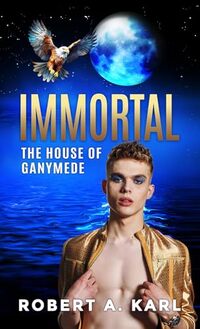
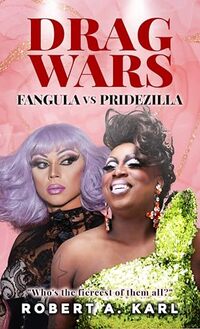
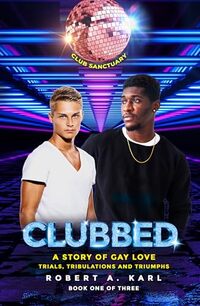
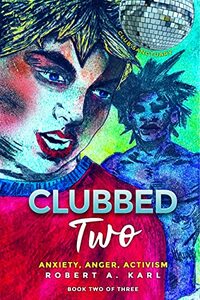
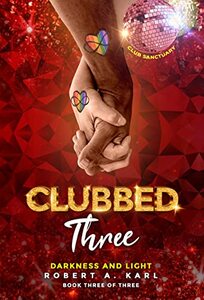
My first published novels, the CLUBBED trilogy, were written as though the main character was telling the story to someone. I deliberately chose a very direct style there. I took a more lyrical approach with the later books: DRAG WARS, The Goldies, and IMMORTAL. By using different points of view, I have the freedom to be more expressive in the writing, which is an aspect I truly enjoy. I also use a lot of dialogue, so the readers see the characters through their words and actions, rather than just describing what happens.
You explore a range of genres—from coming-of-age stories to mythical reimaginings. What draws you to such diverse narrative landscapes?
I don't want to tell the same story over and over. There are many extraordinary stories in my imagination, so I don't want to restrict myself. I appreciate the diversity of people in my own life, and in the stories that I enjoy. I want my writing to reflect that diversity we see in real life.
Representation is a powerful element in your work. Why do you believe authentic queer representation in literature is so important today?
Our voices are being suppressed. Our lives are being erased. I refuse to be silent. My characters are fictional, but they are fully-drawn people you might meet in real life. Club owners, club goers, people affected by the AIDS pandemic, Drag Kings and Queens, Queer Elders, and even a young teenager from a rural area. Those are the main characters in my books. They are authentic. They are real. I want people to love them as much as I do.
Your characters often feel deeply human and complex. How do you develop characters that resonate so strongly with readers?
In my writing experience, the characters take over the story. I begin with a concept and as I write, the characters take over. They do unexpected things and act in unpredictable ways. They flow out of me during the writing process. They move me emotionally, so I hope that others will have the same reaction.
Growing up in Philadelphia and now living in San Juan, Puerto Rico, how have these two places influenced your storytelling?
My first five books were mostly set in Philadelphia, because I know the area so well.It was easy to set locations throughout the city. because of my familiarity. With IMMORTAL, I stepped out of my comfort zone and set the story in Niagara Falls. I enjoyed doing the research to make the story authentic to that area. My current novel, soon to be published, is set in San Juan. After living here for 10 years, I have the comfort level to include this beautiful area as part of the story.
What challenges have you faced as an openly queer author in the publishing world, and how have you navigated them?
I'm an independent publisher by choice. The biggest challenge is in marketing. It's so difficult for a small voice to be heard. However, I take it as a challenge to be met, and it's an area where I'm constantly striving to improve.
When writing emotionally intense or vulnerable scenes, how do you balance honesty with storytelling craft?
Honesty, tailored to the intended reading audience, takes precedence for me. Some of my novels include explicit sex scenes, when that fits both the story and the audience. Other books do not, specifically my first YA novel, IMMORTAL. Mycurrent work is also being written for young adults. Those books can contain heavy themes, but intimacy and other intense scenes can be described in many ways. I don't write for shock value, though I do include some surprising twists and turns to keep the story interesting.
Are there particular authors, artists, or life experiences that have significantly influenced your work?
I've been influenced by many creative people, including authors, artists, and musicians, as well as actors, scriptwriters, directors, etc. I enjoy many genres. But I have to say, the works done by creatives who are members of the LGBTQ+ community have had the greatest influence on me. Their bravery and artistic honesty appeal to me. I hope my works influence some of my readers in the same way.
What do you hope LGBTQ+ readers feel or take away when they read your books?
I want them to feel seen and validated. I want them to see themselves, or people that they know. I want them to feel a sense of safety and security, knowing that while the world presents challenges, they can be overcome. I also want them to feel emotions. Joy, sadness, fear, anger, everything that we feel in real life. But in the end, I hope they feel loved.
For readers who are new to your work, which of your books would you recommend they start with, and why?
Every book I've written, including those in the trilogy, can be read as a standalone. I suggest that readers look for a story that appeals to them. Then, if they like my style, try a different one. The stories are unique, non-mainstream, but they have universal themes that could appeal to anyone. And my best advice is to not rush though any of my books. I want readers to enjoy and savor the experience.
How do you approach writing stories that celebrate queer joy while also acknowledging struggle and resilience?
For me, that's a reflection of real life. I'm happy to be Queer. I think it's a gift. Many of my characters feel the same way, though there are exceptions. And in real life, it isn't easy to be Queer. So for me, in order to tell an authentic story, those different elements are essential components of the book.
Would you recommend AllAuthor to fellow authors, and if so, what services or tools on the platform have you found most useful in growing your writing career?
One hundred percent yes, I recommend All Author as a great tool for marketing and publicity. I love the ability to easily create gifs, and I use them in my promos all the time. The mockup banners save me a lot of time, and they're sent on a regular basis, which is so helpful. Book tweets are also sent regularly, helping to maintain my presence on social media. Also, the website helps other authors to get to know me, and I find new authors to follow. Thank you, All Author!