Adem Yaseen Interview Published on: 23, Oct 2025
 You’ve written across such diverse genres, from psychological thrillers to spiritual reflections and social exposés. What motivates you to explore such a wide range of themes?
I write what weighs on my heart and mind at the time. Some days it is the darkness of the human soul, and other days it is hope, faith, or the struggles we all share in society. Writing is my way to process life, so I do not confine myself to one box.
Was there a defining moment in your life when you realized you wanted to become an author?It was not one single moment, but more like a buildup. I always carried stories and questions inside me. Over time I realized the best way to release them, and maybe help others in the process, was through books.
How do your personal experiences and cultural background shape the stories you tell?A lot. I come from a place where faith, family, and community play a huge role, and at the same time I have seen struggles with identity, migration, and misunderstanding. Those influences slip into everything I write, even when I am not aware of it.
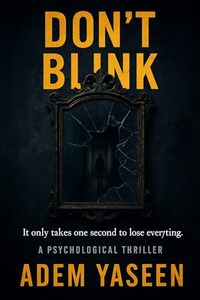
In Don’t Blink, you delve into the darkest corners of the human mind. What drew you to write psychological thrillers, and how do you balance horror with human truth?I believe the scariest things are not monsters, but what people are capable of when pushed to the edge. Writing thrillers allows me to explore that. I try not to rely on shock alone, I always ask myself why a human being would do this, and that is where the truth comes in.
Your fiction often blends suspense with deep social or spiritual undertones. Do you intentionally weave these layers, or do they emerge naturally as you write?They come naturally. I do not set out with a checklist, but once I am in the story, those deeper layers rise to the surface. It is hard for me to write something that is only on the surface.
World-building in dystopian and speculative fiction can be intense. What is your process for creating these imagined yet believable worlds?I usually start with one question, what if. What if society was pushed this far, what if people were forced to choose this way. From there I build rules that feel real and relatable. The key is to ground even the strangest world in familiar emotions.
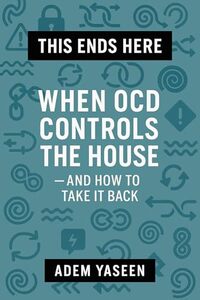
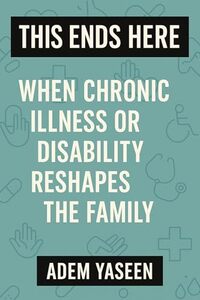
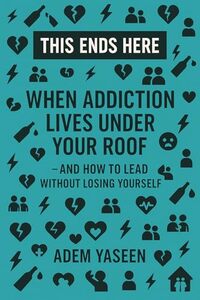
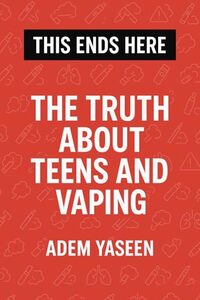
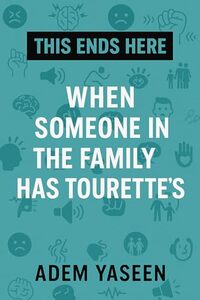
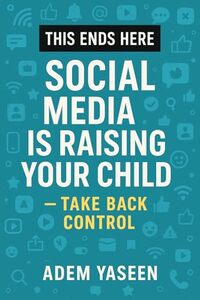
The This Ends Here series tackles toxicity, healing, and reclaiming agency. What inspired you to write these books, and what impact do you hope they have on readers?That series came from personal encounters with toxic environments and relationships. I wanted to give people something honest, not sugar coated, but still hopeful. My hope is that readers feel less alone and more empowered to set boundaries and heal.
Writing about trauma and mental health requires sensitivity. How do you approach these heavy topics in a way that uplifts rather than overwhelms?I try to always offer light at the end of the tunnel. The pain is real, but so is the possibility of recovery. I focus on resilience and dignity, not just the wounds.
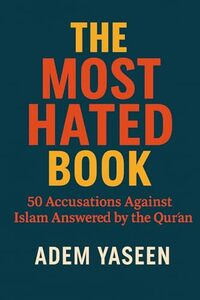
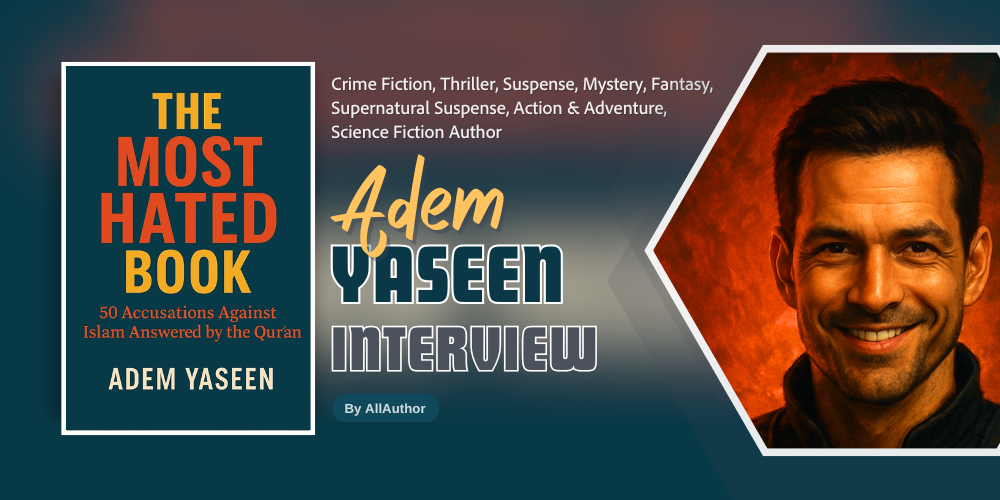
The Most Hated Book explores faith and spirituality. How do you balance deeply personal beliefs with universal accessibility for readers of all backgrounds?By sticking to honesty. I do not try to preach. I share what I believe, but I also respect that readers come from different walks of life. If they can walk away with understanding, even if not agreement, that is success to me.
Many of your works deal with identity, family dynamics, and societal reform. Why are these particular themes so important to you?Because they affect everyone. Family shapes us, society pressures us, and identity defines how we see ourselves. Writing about these themes feels natural because they are at the center of being human.
Do you find it more challenging to write fiction or nonfiction, and why?Fiction. Nonfiction lets me be direct, but fiction requires building a whole world and making it believable. It is rewarding, but it is harder.
How do you manage to maintain authenticity and boldness in your storytelling, even when addressing controversial topics?I remind myself that silence helps no one. If something needs to be said, I would rather say it honestly than avoid it. Even if it stirs debate, at least it sparks thought.
What has been the most surprising or memorable feedback you have received from readers?One reader told me that a book gave them the courage to leave a destructive situation. That stayed with me. It reminded me that words can actually change someone’s life.
If readers could take away one consistent message from your body of work, what would you want it to be?That even in darkness, there is always a path forward.
Lastly, how has your experience with AllAuthor supported your journey as a writer so far, and what kind of features or opportunities have been most helpful to you?AllAuthor has been a great space to showcase my books. The visibility, promotions, and features help reach readers I might not otherwise reach. It is simple, supportive, and keeps authors connected.