Cindy Orr-Jones Interview Published on: 20, Aug 2026
 What inspired you to transition from teaching into writing children’s books?
I was retiring in 2009 and wondered what I'd fill my time with. I have always been a writer, so I thought since I had so much experience with children's stories, I would pursue a children's series of books based on my rescue dogs. Dillon was my muse and I had him become my protagonist in the stories.
How did Dillon first come into your life, and what made you decide to make him the central character of your series?Dillon was found in the desert in California where we lived at the time. We had an old dog who needed a younger companion and I found Dillon waiting for me at our local animal shelter. It was love at first sight for both of us.
What was the moment you realized you wanted to write stories specifically about rescue animals?After reading and sharing so many children's books as a classroom teacher, and bringing my rescue dogs to visit the students, it was obvious that animals thrilled young readers, and I thought Dillon was the perfect character for a book with his lively personality.
How do you balance storytelling with teaching children real-life lessons about animal care and responsibility?I find it a natural transition in storytelling to weave in life lessons for love and care of a pet. Teaching responsibility and safe practices of a pet is a must. Stressing the importance of rescues versus buying from a breeder became my goal along with the other themes in the books.
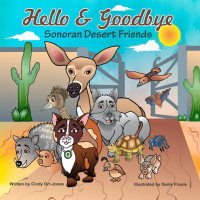
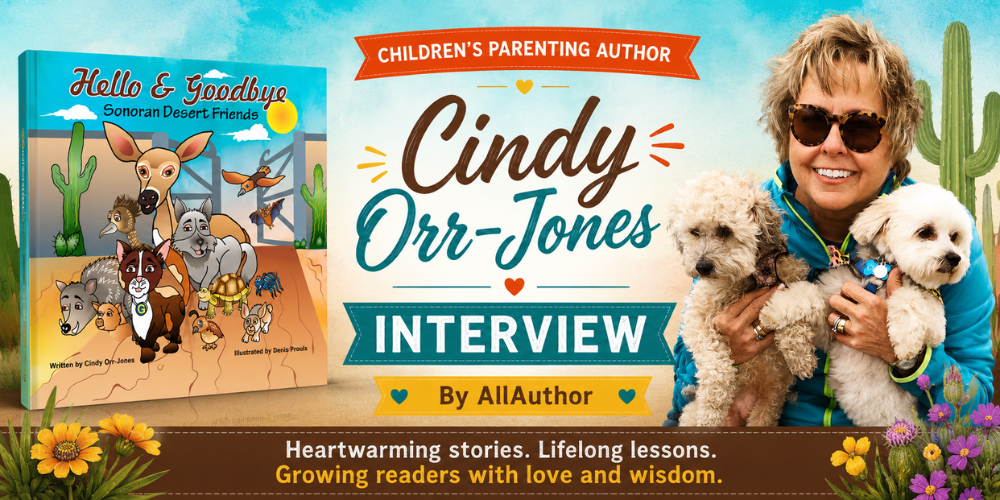
Can you share the inspiration behind your book, “Hello & Goodbye Sonoran Desert Friends?”" Hello and Goodbye Sonoran Desert Friends " was an idea that grew in my mind over the years. Talking with parents and friends about how to deal with the loss of a pet inspired the book. It happened to coincide with the end of dear little Dillon's life which made the book a personal message from me to my readers dealing with grief. It filled a need for both the reader and the author.
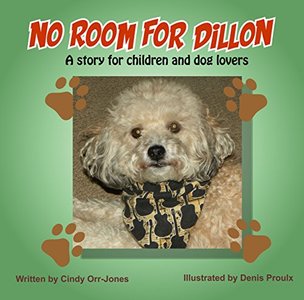
What message do you hope children take away after reading “No Room for Dillon?”"No Room for Dillon, my first book, hopefully shows children we all have a special purpose. Feeling left out and thinking no one notices you is a common issue with children in multiple-sibling families. Dillon hopefully showed children he always had a useful purpose as one of the family dogs.
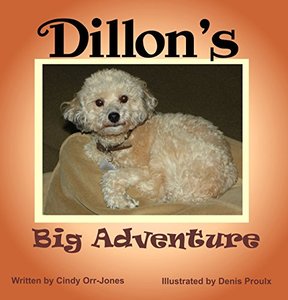
How has Dillon’s journey evolved from “No Room for Dillon to Dillon Meets Ollie?”As the series continued, Dillon turned accidents into opportunities to help others. He helps save Ginger the cat and Mrs. Periwinkle from a kitchen fire after escaping from his yard in "Dillon's Big Adventure." Then we meet Ollie, who was my new rescue dog, and he gets lost during a fourth-of-July fireworks celebration because his owners had him off leash. I saw this repeatedly happening in our community and thought it was an important message for children to learn about. The story evolved and Dillon once again turned an accident into an opportunity to help find Ollie.
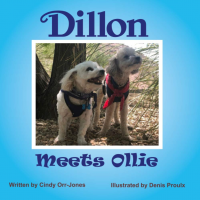
Ollie is also a rescue—how did his personality influence the direction of your newer books?Because Ollie was a gentle and sweet little dog from the day we adopted him, it was easy to show he needed to join a family, and he became a great addition to books 3 and 4. I was able to use a photograph of him and Dillon on the cover of "Dillon Meets Ollie."
What are some of the most important animal care lessons you intentionally include in your stories?Some of the most important animal care lessons I include in my stories are the importance of love and care of a pet, teaching safety practices, paying attention to your pet's needs, and knowing how to grieve for the loss of a pet in a safe and gentle environment with your family and veterinarian, and finding a rescue pet who needs a home is always the best way to adopt your next pet.
As a retired teacher, how does your classroom experience shape your writing style for young readers?I was able to use appropriate themes of interest for children and vocabulary that emerging readers would be able to understand, both as read-alouds by parents and beginner readers in grade school years. Following the basic plot and character structure to create stories of interest shaped my writing style for young readers.
What has been the most rewarding feedback you’ve received from readers or parents?I have had wonderful reviews sent to me over the years from parents and grandparents. They have told me, for example, that "No Room for Dillon" became a bedtime story favorite of their child. Some readers sent pictures of their child in bed reading my books. Author reviews have been 5 star and quite favorable. Recently, after book 4 was published, adults have thanked me personally for writing on the issue of grief. One reader stated they appreciated how the lonely character, Mrs. Periwinkle, became a family friend after Dillon rescued her and her cat in "Dillon's Big Adventure." We often ignore the quiet elderly neighbor who needs a friend, and that's a life lesson. Many readers related to the lost dog off leash during fireworks, another life lesson learned. This has been the most rewarding feedback to me.
How do you hope your books influence children’s attitudes toward adopting rescue animals?I sincerely hope adopting rescue animals will be an important decision when children think about getting a pet. Every town has a connection to a humane society we can all benefit from to give pets a loving home.
What was the biggest challenge in writing your series, and how did you overcome it?My personal challenge in writing the series was time. My life became quite busy during retirement with juggling family and social events, traveling, and a couple of moves to new locations for my husband and I. Finding the time to dedicate writing a good story and coordinating with my illustrator was a juggling act. I have never been sorry for a minute that I kept going until I felt the series was complete.
What’s next for Dillon and Ollie—can readers expect more adventures in the future?I have finished this series. It ended with Dillon's death (Lucy in the book). I think the series is a journey in a dog's life that is complete, just as Dillon's life was. I am now having my books featured in book stores, arts and craft fairs, veterinarian offices, and gift shops, as well as being sold by Amazon.
Would you recommend AllAuthor to fellow authors, and if so, what services or tools on the platform have you found most useful in growing your business?I recommend AllAuthor to fellow authors because it exposes your books to other like-minded authors. It gives your book exposure and reviews which are helpful, and I appreciate the shares to Twitter and availability of mock up banners for the books which can be shared on social media.