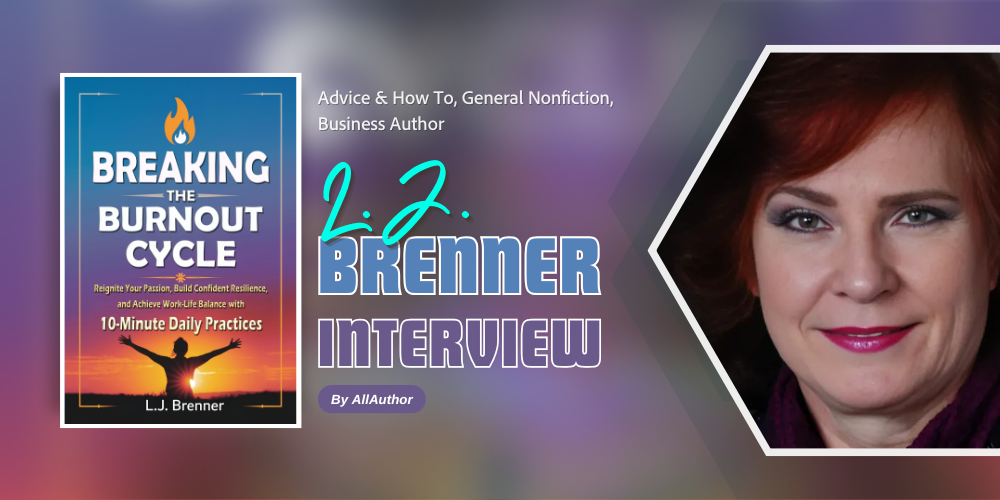
L.J. Brenner Interview Published on: 06, Oct 2025
 You have over 20 years of experience in leadership, training, and coaching. What first inspired you to enter the world of business consulting and leadership coaching?
My journey started with running my own business, where I quickly learned about leadership and problem-solving. Later, I transitioned into consulting roles, helping other organizations address their challenges. Over time, colleagues began seeking my advice - not just on strategy but also on how to stay resilient and connected. These experiences opened doors to bigger leadership opportunities, but more importantly, they showed me how much people thrive when supported. That’s when I realized my passion wasn’t just about leading organizations, but about helping people grow into leaders themselves.
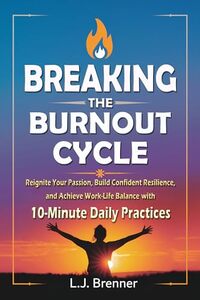
Many professionals struggle with burnout in today’s fast-paced work culture. How do you help clients recognize and address burnout before it becomes overwhelming?Burnout rarely hits all at once - it creeps in quietly through fatigue, irritability, or that constant sense of “never doing enough.” I help clients pause long enough to notice those signals and understand that they’re not signs of weakness - they’re signals that something needs to shift. Together, we create simple, practical routines that fit into even the busiest schedules, such as short breaks, boundary-setting, breathing resets, or end-of-day reflection habits. These small shifts often spark big results, restoring balance before the spiral becomes overwhelming. That’s the foundation of my book, Breaking the Burnout Cycle - proving that real resilience doesn’t come from overhauling your life overnight, but from consistent ten-minute practices that build energy and confidence over time.
You focus on building confidence, resilience, and meaningful connections. Which of these qualities do you believe is most crucial for a leader to develop first—and why?I believe confidence comes first. Without it, resilience and connection don’t have a strong foundation. Confidence doesn’t mean having all the answers - it means having the courage to face challenges directly, make decisions, and stay grounded even when the outcome is uncertain. When leaders feel grounded in who they are, they’re more willing to admit mistakes, ask for input, and encourage others to shine. When leaders demonstrate this kind of steady confidence, they create a safe space for their teams to take risks, speak openly, and grow. From there, resilience becomes easier to build because people trust they can recover from setbacks, and connections become more genuine because trust has been established. In other words, confidence is the starting point that allows both resilience and meaningful connection to flourish.
Can you share a success story where your strategies significantly transformed a team’s productivity or morale?One team I worked with was struggling with miscommunication, which caused missed deadlines, constant rework, and growing frustration. Morale was declining, and the manager felt like they were spending more time fixing problems than making progress. We started by implementing structured check-ins to clarify priorities, establishing clear digital communication norms so messages wouldn’t be overlooked, and emphasizing the importance of recognizing small wins along the way. After three months, engagement scores improved significantly, deadlines were consistently met, and the tone of meetings shifted from complaints to collaboration. Team members began sharing new ideas and supporting each other more openly. It was a reminder that real change doesn’t always come from huge overhauls; often, it comes from rebuilding trust and showing people that their efforts matter. Clarity, consistency, and trust can unlock performance in powerful ways.
You often talk about turning workplace challenges into actionable strategies. Could you walk us through your process for doing this?I use a simple but effective three-step process:1.Pause and Diagnose – Step back and identify what’s really going on beneath the surface. Often, the challenge people bring up is a symptom, not the root problem. For example, a “productivity problem” might be a communication breakdown.2.Reframe – Shift the mindset from “this is a roadblock” to “what opportunity does this create?” When teams start asking different questions, they open the door to creative solutions instead of getting stuck in frustration.3.Act Small, Scale Big – Start with one or two simple, low-risk changes. Test them, collect feedback, and once they work well, expand. This way, change feels doable, and people see progress fast.By breaking it down this way, challenges stop feeling like crises and start feeling like growth opportunities. People not only solve the immediate problem but also build the confidence to tackle future challenges with less stress.
In your coaching, how do you balance addressing a client’s immediate challenges with building long-term sustainable success? I use what I call a “dual focus” approach. Clients often come to me in the middle of something urgent - a project going off track, an unmanageable schedule, or a team conflict that’s draining their energy. We work together to calm that storm so they feel immediate relief. However, just as important, I ensure that we explore why the problem occurred initially and how to prevent it from happening again. For example, suppose someone feels overwhelmed by their workload. In that case, we’ll address the immediate scheduling issue, but then we’ll also create a personalized system for managing time and energy in the long term. That way, they don’t just get relief now - they also build habits and systems that support lasting success. It’s about putting out today’s fire while also fireproofing the future. Communication breakdowns are a common leadership challenge. What is one powerful tip leaders can use to improve team communication instantly?Listen more than you talk. Most miscommunication doesn’t stem from unclear instructions; it comes from people feeling unheard. When leaders pause, ask clarifying questions, and reflect on what they’ve heard, it instantly shows respect and reduces misunderstandings. I often encourage leaders to practice what I call “active listening in action.” It’s one of the strategies I expand on in my book, Communication Skills: Easy, Effective Strategies to Communicate, Engage, Connect, and Thrive in the Digital World, because listening is the foundation of every successful conversation. When leaders model it, trust skyrockets and communication improves almost overnight. I discuss how small changes, such as active listening and clear feedback, can transform a workplace culture. I’ve seen teams completely shift the tone of their meetings simply by leaders saying, “Let me make sure I understand you correctly.” It may sound simple, but it fosters trust and makes all other communication flow more easily.
You’ve worked with professionals across industries. Have you noticed common leadership mistakes that occur regardless of the sector?Yes - one of the most common mistakes I see in every sector is the belief that being “busy” equals being effective. Leaders often fall into the trap of trying to do everything themselves, thinking it shows commitment or control. In reality, it creates bottlenecks, drains their energy, and leaves teams feeling underutilized and disengaged. Over time, this not only leads to burnout for the leader but also lowers morale and stifles innovation within the team. The shift occurs when leaders learn to delegate effectively and trust their team members. Empowering others doesn’t make you less of a leader - it multiplies your impact and allows you to focus on strategy, culture, and long-term success. I often remind clients that leadership isn’t about doing everything yourself - it’s about creating the environment that allows others to perform their best. When leaders delegate and empower, they not only reduce their own burnout but also see their teams become more engaged, more innovative, and more committed.
Resilience is often seen as an individual trait. How can organizations create a culture of resilience that supports their people?Resilience is often viewed as an individual quality, but in reality, it thrives in environments where leaders and systems foster it. Organizations can cultivate resilience by providing recovery time, recognizing both effort and results, and creating psychological safety so people feel comfortable admitting struggles without fear of judgment. It’s also about implementing supportive structures - such as flexible work arrangements, mentorship programs, and regular check-ins - so resilience is actively nurtured rather than left to chance. When leaders consistently demonstrate resilience by remaining calm under pressure, setting clear boundaries, and recovering from setbacks, they empower others to do the same. The outcome is a culture where people not only overcome challenges but also emerge stronger and more adaptable because of them. I’ve seen teams change when resilience stops being a personal fight and becomes a shared value. In such a culture, people not only bounce back from difficulties but often return more creative, more connected, and more motivated.
As a strategist, how do you help leaders shift from reactive problem-solving to proactive planning?Leaders often fall into reactive problem-solving because urgent issues tend to overshadow important ones. My role as a strategist is to help them carve out space for proactive thinking. I advise leaders to set aside protected time each week for what I call “future focus.” Even just 30 minutes asking, “What’s coming up in the next quarter that we can prepare for?” can shift the discussion from firefighting to foresight. I also recommend using this time to review trends, anticipate challenges, and identify opportunities - not just to plan for problems, but to actively shape what’s ahead. When this becomes a regular habit, leaders experience less chaos, greater alignment, and a culture that’s better prepared to adapt, rather than constantly scrambling.
Many leaders feel pressure to “have all the answers.” How do you coach them to embrace vulnerability without losing authority?Many leaders feel enormous pressure to always have the correct answer, as they equate certainty with credibility. However, in reality, authority doesn’t come from knowing everything; it comes from creating the conditions where the best solutions can emerge. I remind leaders that saying, “I don’t know, but let’s figure it out together,” doesn’t diminish their authority. In fact, it demonstrates confidence, authenticity, and a willingness to engage in real problem-solving. When leaders model that openness, they encourage their teams to contribute ideas, take ownership, and collaborate more effectively. What builds respect is honesty and a willingness to work through challenges together. I coach leaders to see vulnerability as strength: being open enough to say, “I don’t have the answer yet, but let’s explore it,” shows both courage and humility. Teams respond well to that authenticity. They feel invited to step up, share ideas, and solve problems together. Far from weakening authority, it creates a deeper connection where people trust their leader more because they see them as real, approachable, and human.
In your opinion, what role does emotional intelligence play in effective leadership, and how can leaders actively improve it?Emotional intelligence truly forms the foundation of effective leadership. Without it, even the best strategies or technical skills fail, because leadership is ultimately about people. Leaders with high EQ can read the room, adapt their approach, and build trust even in tough situations. Those lacking it often misinterpret signals, overreact to stress, or accidentally harm morale. Improving emotional intelligence doesn’t happen overnight - it comes through intentional practice. I encourage leaders to focus on three core habits:Self-checks - pausing to ask, “How am I showing up today, and what impact is that having?”Empathetic listening - listening not just for words but for tone, context, and what’s left unsaid. Seeking feedback - inviting trusted colleagues or mentors to point out blind spots. When practiced consistently, these habits enhance awareness and adaptability, enabling leaders to remain steady under pressure and foster environments where others succeed.
With remote and hybrid work becoming the norm, how has your approach to leadership coaching evolved?With remote and hybrid work now common, my coaching has shifted to emphasize digital communication skills and intentional connection. Managing tasks online isn’t enough - leaders must recreate informal interactions that used to happen naturally in hallways or break rooms. That involves being purposeful about building trust, creating space for casual check-ins, and making sure no one feels invisible just because they’re remote. In practice, this involves coaching leaders on how to run engaging virtual meetings, reducing Zoom fatigue through more innovative scheduling, and balancing asynchronous and synchronous communication. We also examine how to foster a sense of belonging across screens, whether through virtual team rituals, recognition practices, or small gestures that make remote employees feel valued. When leaders adapt in this way, hybrid teams don’t just operate - they thrive, often with more flexibility, diversity, and innovation than traditional setups.
You also focus on restoring work-life balance. What’s one mindset shift leaders need to make to achieve it truly?The most important mindset shift is moving from “balance as time management” to “balance as energy management.” Many leaders try to split their hours evenly between work and personal life, but the truth is that balance isn’t about counting hours - it’s about protecting the energy you bring to both areas. If work drains all your focus and vitality, there’s nothing left for family, creativity, or rest, no matter how well you schedule your time.I encourage leaders to see recovery, boundaries, and personal renewal as essential parts of their leadership toolkit – not as luxuries. This might involve setting non-negotiable downtime, creating tech-free zones, or setting aside time for activities that recharge them. Leaders who adopt this viewpoint not only maintain their own well-being but also serve as models for healthier habits within their teams. The outcome is greater clarity, compassion, and effectiveness in all aspects of life.
Have you used the Book Promotion tools and Book Marketing services offered by AllAuthor? If yes, how would you rate their effectiveness?Yes, I’ve used the Book Promotion and Marketing tools for both Breaking the Burnout Cycle and Communication Skills, and I’ve found them very effective. What I appreciate most is how easy the platform makes it to increase visibility and connect with readers who might not have discovered my work otherwise. The automated features - like scheduled social media posts, book banners, and promotional campaigns - save me valuable time and let me focus on writing. I also value that AllAuthor offers a sense of community and credibility for authors at every stage. Overall, I would highly recommend their tools to any author looking for practical and reliable support in getting their books noticed.