Perri Corbett Interview Published on: 04, Sep 2026
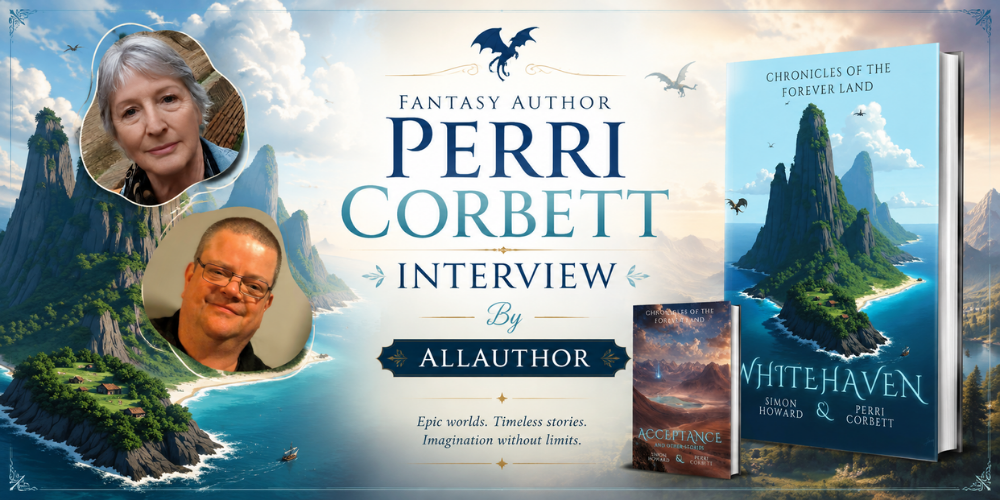 Congratulations on your first book! What inspired you and your co-author to embark on this collaborative writing journey?
Thank you.
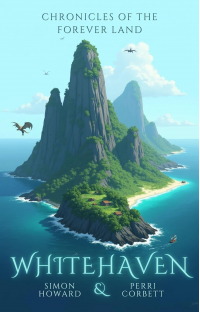
I met Simon [Howard] through another author’s fan page on Facebook. Simon has written a lot of short stories about the Forever Land. He was embarking on the Whitehaven novel and asked me to read through what he had written. I fell in love with the Forever Land world and asked Simon if I could add a chapter or two. He kindly agreed and the whole thing took off from there.
As a French author working alongside an English co-author, how did your different cultural backgrounds shape the story and writing process?I don’t think our different backgrounds played a part in shaping the story.
Why did you choose to write the book in British English rather than French?Because Simon is English.
What was the biggest challenge—and the greatest reward—of co-authoring your debut book?The biggest challenge was the editing. We had a brilliant editor, but she saw the book as the beginning of a series about the adventures of Tate and his dragon, whereas I saw it as a stand alone in the Forever Land, with other stories and other characters to come. However, Simon and I agreed to follow the editor’s advice, which meant a great deal of re-writing of the final chapters. The greatest reward was finding that Simon and I have a lot of the same thoughts and ideas and he and has become a great friend.
How did you divide the writing responsibilities, and what did you learn from each other's creative styles?We didn’t formally divide the writing. We both knew where Tate was going and we would write what we felt and then merge the chapters, if that makes sense! Simon is brilliant at the budding romance between Tate and Siofra, and at battles, making them feel real, without describing blood and guts in gory detail.
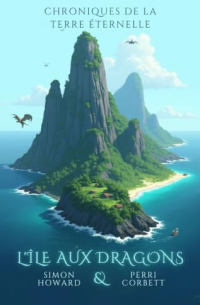
Now that you're translating the book into French yourself, how does that experience differ from writing the original manuscript?I am a professional translator, and it was interesting to translate our story into French. Sometimes it made me think, “I wish we had added that to the original script”.
Have you found any passages that are particularly difficult to translate because of cultural references or language nuances?No, not at all. The Forever Land is a world of magic, so there are no pop culture references or quotes from films I’ve neither seen nor heard of.
Do you feel the story resonates differently with French readers compared to English-speaking audiences?We shall have to see, once it is published in French (it’s currently in the hands of ARCs). All I can say is that my grandchildren are impatient to get their hands on it.
What aspects of your French heritage found their way into the book, whether intentionally or naturally?Simon has a very clear idea about the Forever Land, which I expect reflects his native Norfolk in many ways. I find myself working the countryside of my beloved Provence into the general landscape. After all, the Forever Land is vast and varied.
How has working with an English co-author influenced your own writing style?Working with Simon has been a wonderful experience. It is the first time I have written this type of fantasy. My earlier work was based on stories I made up for my children and featured a lot of fluffy animals. I’ve never submitted them for publication.
What do you hope readers take away from your book, regardless of the language they read it in?I hope that younger readers will see that it isn’t a good idea to let themselves be put into any category; the gradual change in Tate is an example of that. Also, I hope they’ll see that bravery comes in many guises and that not all heroes wear capes.
Looking back, is there anything about the writing or publishing process that surprised you?What surprised me the most was the complicity Simon and I forged over the pages of Whitehaven. As to the publishing process, I have to admit that Simon took care of that side of things. I shall be experiencing it soon, as I hope the French version will be published in late September.
What advice would you give to writers who are considering co-authoring a book across different countries or cultures?Don’t use AI. Trust your co-author and listen to him. Consider his ideas and find ways to make them work seamlessly with yours. Seek the help of a human editor and graphic artist, if you feel uncomfortable about covers.
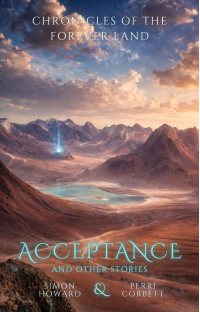
After the success of your first collaboration, can readers expect another project from you and your co-author in the future?Yes. While writing the story of Tate, both Simon and I grew attached to certain (most) of the characters and wanted to write their back story. The result is a series of books of short stories – the first: “Acceptance” was published last month. There are two, or perhaps three others to follow. We have also begun the plot outline for the second book about Tate and his dragon.
How has been your experience with AllAuthor?It has been great. As soon as I signed up we got into the “best cover” competition and we came first, which is a real morale booster. We get tweets from AllAuthor on platforms other than Facebook, which Simon and I are very grateful for as we are novices when it comes to promoting our work.