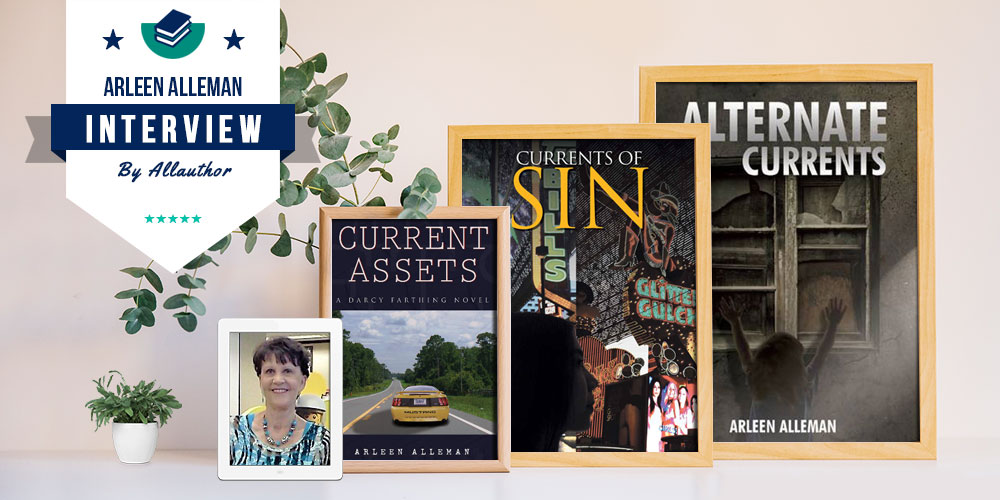
Arleen Alleman Interview Published on: 08, Oct 2018
 What kind of a child you were? Where have you spent your childhood?
I was a very independent active child. Always riding my bicycle all over the town where I grew up in New Hampshire. My friends and I put of shows and wrote a neighborhood newspaper. We were always doing something creative. I spent summers on a dairy farm where I worked in the barn and in the fields. This built strength and character.
Having worked as a fashion model, insurance adjuster, jewelry designer, and proprietor of a home decor shop, which was the most fun thing to do?I think that making the silver jewelry out of precious metal clay was the most fun because the sculpting was so creative and organic. I found that I loved learning about and using all kinds of gemstones an fossils in the jewelry pieces.
In your first interview with us, you told us that The first Darcy Farthing adventure set in South America and a cruise ship was your first work of fiction. How do you think your government knowledge and your science education helped you write this book?The book required a lot of research, but my experience working at the GAO and my education helped immensely with finding the right information and assessing its value.
Why did you choose to write mysteries? What sparked the idea for your first book?I have said many times that the idea of writing fiction, especially mysteries, formed when I was very young. At around age fourteen, I read a number of mysteries and continued to read the genre throughout my life. I always held the secret desire to write mystery novels but didn't act on it till later in life.
Which book took the longest to write? Why?All six books took about the same amount of time. One year.
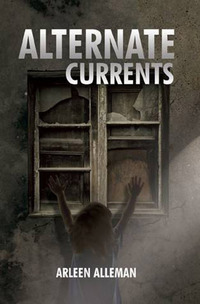
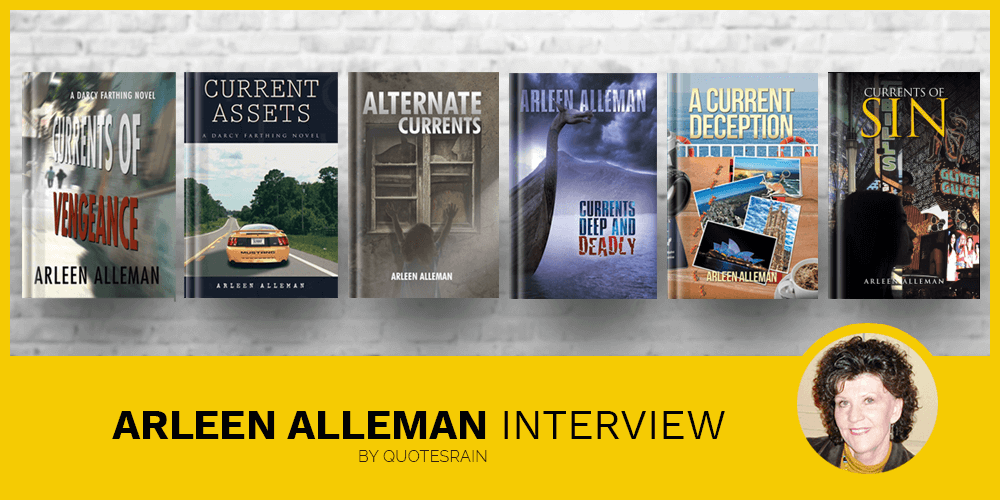
In “Alternate Currents” you have scripted a story involving several current legal and political hot topics. How difficult was it to find the balance between the two?The legal and political topics surrounding same-sex marriage and surrogacy are so intertwined that the research illuminated issues with both very well. The book focuses more on the legal aspects and on religious bigotry, and less on the politics.
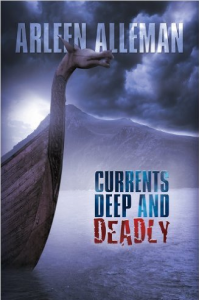
Currents Deep and Deadly is a well researched fictional Cruise Ship adventure. How much did you research for this book? While researching, what was the most unusual thing you saw/read online?Much of the research happened when I went on a cruise covering the same route as the fictional one. I gathered information about each country and port and then added to it when I returned home. The surprising amount of real-life crime on cruise ships and lack of prosecution for them was very interesting and led to the idea of the second book in the series.
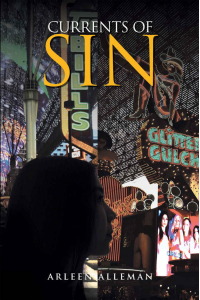
What inspired you to write the series Darcy Farthing Adventures"? Which is your personal favorite book in the entire series?The idea for Darcy Farthing and all the subsequent adventures through the six books evolved gradually and came naturally out of the development of the characters themselves. The original inspiration was cruising. My personal favorite is the final book, "Currents of Sin," which tackles human trafficking and I believe is very educational on that topic.
You have written six books in the "A Darcy Farthing" series. How difficult was it to create links between the stories and the characters?I found this quite easy because the relationships among the characters and each of their life issues and problems became very intertwined after the first book. There seems to be a flow as they try to sort out their problems and the criminal activity they seem to attract.
Is there any significance in naming your book "Currents of Sin"? Where do you usually get ideas for your book titles?All six books have the word "current" in the title. This was both a good and bad idea. Current is explained in Darcy Farthing's personal life philosophy and the I had to devise a play on words for each book. Currents of Sin addresses human trafficking, which is surely sinful and takes place in Las Vegas (Sin City). So, it was probably the easiest title to come up with of the six books.
One thing you feel has helped you shape into a writer? What advice would you give to the young writers?I have been writing for forty years, including much non-fiction technical writing for the government. Over time, I've learned to develop better dialogue, which is very important in fiction writing. I have to say that reading many hundreds of novels throughout my life has helped shape my own writing. I don't like to give advice except to emphasize that one should not begin writing as a career expecting to get rich. That happens but is extremely rare for an author who starts out unknown and self-publishes. You should write because you love it and want the sense of accomplishment.

Arleen Alleman Interview Published on: 22, Sep 2016
 Tell us about your life and your struggles.
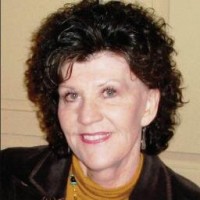
I began my writing career later in life, proving that it is never too late to fulfill a dream. I've been fortunate to be able to pursue various educational and professional goals during my life. I studied science and worked as a fashion model and teacher, an insurance adjuster, jewelry manufacturer, and owner of a boutique. I've been on a journey of personal discovery for the past fifty years, culminating in my humanist philosophy. This pragmatic view of the world and life colors my writing. I have two wonderful sons and a great husband who is very supportive through all my endeavors. I'm also a breast cancer survivor, and love travel, reading, and fitness.
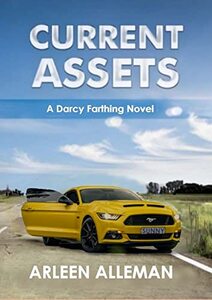
How long have you been writing and what inspired you to become a writer?I began writing fiction eight years after retiring from the US Government Accountability Office where I was an analyst. The job required a lot of research and writing about government programs, but I dreamed of writing novels since I was a teenager. I loved reading, and thought it would be wonderful to create compelling stories. After retirement from GAO, I designed and manufactured silver jewelry and owned a small boutique. Around that time, my husband and I began taking cruise vacations. On a trip around Cape Horn, I finally decided to try writing a novel and to use the cruise environment combined with my government knowledge, and my science education to begin. The first Darcy Farthing adventure set in South America and a cruise ship was my first work of fiction.
While choosing a name for your character, what aspects do you consider that determines what you finally call them?I research names common to areas of the world that fit the characters. Sometimes, as in Currents of Sin, I use names of people I know who agree to have characters named for them. Other than that, I try to choose names that will be memorable and will help readers remember their role in the story.
Do authors in general and you in particular plan series beforehand or do they just happen?For my Darcy Farthing series, when I wrote the first book I did not have the rest of the series in mind. However, when I realized that some themes and characters would recur in subsequent stories, I used their experiences to predict future dilemmas. Over time, the series became more planned, but each book still has unique elements that develop as I write.
How do you choose which stories to tell?So far, I have written only the six-book series with protagonist, Darcy Farthing. Each story flows from the one before and always centers on trials of one or more characters who appear throughout the series, with new characters and twists. Each book takes place in a different venue, either on land or at sea, which drives sub-plots and provides interesting background and history. Now that the series is complete, I am engaged in a process of sifting through ideas I've collected for stories to decide on the next book. Current events and topical subjects are high on the list.
Do you ever get writer’s block?I haven't experienced writer's block to the point of not being able to write. I find that simply beginning to write whatever comes to mind in a sort of brainstorming session, soon leads to the imaginative ideas essential for building a story.
Do you have a “reader” in mind while writing?I believe my target audience loves fiction, and also shares my, and my protagonist's, interest in humanist themes, justice, and social enlightenment. Darcy Farthing is not so much an alter ego for me, as she is a role model. A strong resourceful woman who is above all else pragmatic and reasoned in her approach to life and nature.
Who is the first person to read the first draft of your books?My husband always reads an early draft and always provides valuable suggestions based on his law enforcement background. Then, several other readers also give me critical comments that are invaluable for me in producing the final manuscript.
How do you get reviews? Which was the best review you ever got?I do solicit some professional reviews, but would rather have honest reviews from readers who spontaneously post reviews on bookseller websites. Having said that, I can't emphasize enough the importance of reviews to authors. I am very grateful for the many four and five star reviews customers have posted. The best is when a reader says they could not stop reading and found the story to be well researched and realistic.
What does the word “story” signifies for you?A story should captivate the reader to the point where they do not want it to end. There should be a good balance of action and emotion and a resolution of the main dilemma faced by the characters. The subject can be anything woven around the lives of interesting characters, and should be educational as well as entertaining.
Do you think an author should be bound by Genre?I don't want to be bound to a formula for a specific genre. I try to write the kind of books I like to read, which are more complex by combining genres. One of my favorite authors, Dean Koontz, said an author should not worry about being bound by narrow genre formulas, and I have taken that advice to heart.
Do you have a special time or place for writing?I am comfortable writing at my computer stand-up desk in my home, and prefer to write in the morning. However, I can write almost anywhere and anytime if need be.
How do you promote your work? How will QuotesRain help you in your book promotion and sales, would you like to refer this platform to your author friends?Exposure on social media with the help of platforms like QuotesRain are essential for self-published authors. The bottom line is how and whether the exposure helps generate sales. I would recommend the site to other authors.
Would you like to share something with your readers and fans?As an author who has come to profession later in life, I'm bringing a wide diversity of experiences to my stories. As a life-long student of science and rational thinking, my beliefs are firmly set in realism, and I express this humanist theme through my protagonist. I hope readers find at least one thing in each book that is new to them. I believe that fiction can and should educate, and promote free thinking.