Elder Willie Foster Interview Published on: 22, Oct 2026
 What inspired you to begin writing about Scripture, theology, and the teachings of Jesus?
My writing grew out of a concern that developed over many years of studying, teaching, and preaching the Word of God. I began to recognize that some of the things we accept as biblical truth are actually interpretations and traditions that have been passed from one generation to another without sufficient examination.I do not believe we honor Scripture by refusing to question what we have been taught. We honor it by examining those teachings in the light of God's Word.The Apostle Paul commended those who searched the Scriptures to determine whether the things they heard were true. That principle has influenced my approach to biblical study.I began writing because I wanted to extend that examination beyond the pulpit and classroom. My desire is not simply to tell readers what to believe, but to encourage them to examine the biblical evidence and develop a deeper understanding of the God they serve.
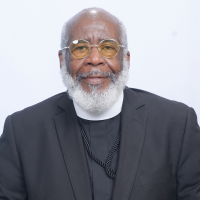
As an ordained Elder with decades of ministry experience, how has your faith journey shaped your approach to writing?I was ordained in September 1990 in the Church of God in Christ. My ministry has given me opportunities to preach, teach, counsel, and serve in positions of responsibility.But my understanding of faith has also been shaped by experiences outside the church. I have known separation, disappointment, loss, and uncertainty. I have served in the United States Army, worked in positions of professional leadership, raised a family, and faced challenges that required more than words of encouragement.Those experiences taught me that faith must be able to stand when life becomes difficult.When I write, I am not interested in presenting Christianity as a life without hardship. I want readers to understand that trusting God does not mean we will never encounter storms. It means those storms do not have to destroy our faith or determine our future.
What do you hope readers take away from "The Jesus You've Never Met"?The title is intended to make readers stop and think. How can someone who has attended church for years, read the Bible, and heard countless sermons discover a Jesus they have never truly met?The answer is that familiarity with the stories about Jesus does not necessarily mean we have carefully examined His teachings.We often emphasize His love, mercy, compassion, and willingness to forgive. All of these are essential to understanding Him. But Jesus also confronted hypocrisy, challenged religious authorities, exposed the misuse of Scripture, and demanded obedience from those who claimed to follow Him.In Matthew 7:21, Jesus declared, "Not every one that saith unto me, Lord, Lord, shall enter into the kingdom of heaven; but he that doeth the will of my Father which is in heaven."
Those words should cause every believer to examine the relationship between profession and obedience.I want readers to encounter Jesus as Scripture reveals Him, rather than merely accepting the familiar picture that religious tradition may have presented.My hope is that the book will challenge readers to study more carefully, question more thoughtfully, and follow Christ more faithfully.
Your books make complex biblical subjects accessible to everyday readers. Why is this important to you?I believe biblical understanding should not be reserved for people who have attended seminaries or earned theological degrees.I have been privileged to pursue formal education, including studies in African Studies at San Francisco State University and Christian Ministry at The Bible Centre of Rochester. My education helped me appreciate the value of research, historical context, and careful interpretation.But education should equip us to communicate more clearly, not place unnecessary distance between the teacher and the student.When someone reads one of my books, I want that person to understand the issue being discussed, recognize the relevant Scriptures, and follow the reasoning behind the conclusions.The purpose of biblical teaching is not to impress people with what the teacher knows. It is to help them understand what God has revealed.
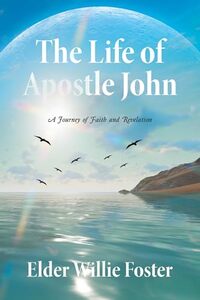
What led you to write "The Life of Apostle John: A Journey of Faith and Revelation"?The Apostle John has always presented an interesting example of discipleship to me because his biblical witness extends from his experiences with Jesus to the teachings and revelations associated with his later ministry.John was present during some of the most significant events recorded in the Gospels. His writings also give particular attention to love, truth, obedience, fellowship, and the identity of Jesus Christ.I wanted to examine the life and biblical witness of this disciple and help readers appreciate the lessons his example offers.His story reminds us that discipleship is not simply about beginning a relationship with Christ. It is about remaining faithful as that relationship develops and matures.
What can modern Christians learn from the life, faith, and struggles of Apostle John?One lesson is that spiritual maturity requires time, commitment, and perseverance.John's writings repeatedly connect love for God with obedience to His commandments. That is particularly relevant because we sometimes speak of love as though it has no obligations attached to it.In 1 John 5:3, we read, "For this is the love of God, that we keep his commandments: and his commandments are not grievous."John also teaches the importance of truth, fellowship, and discernment.
Modern believers can learn that genuine Christianity requires more than religious enthusiasm. It calls for a life shaped by the teachings of Christ and a continuing commitment to His truth.
Your "From Creation to Restoration" series explores a broad biblical story. What message connects the series as a whole?The connecting message is God's purpose for humanity, from creation through redemption and ultimately restoration.The Scriptures reveal humanity's beginnings, the consequences of sin, God's covenant dealings, the coming of Jesus Christ, and His redemptive work.Within that larger story, the series also examines particular teachings and practices that influence our understanding of the church and our responsibilities as believers.For example, questions about ministry, authority, and the roles of men and women deserve careful biblical examination rather than answers based entirely on inherited traditions.I want readers to see the unity of Scripture while also recognizing the importance of understanding individual passages in their proper context.
How do you balance biblical scholarship with making your books engaging and understandable for contemporary readers?My approach is much the same as it is when preparing to teach a Bible class.I begin with the question or issue that needs to be examined. Then I study the biblical passages, consider their historical and literary context, and compare them with other relevant Scriptures.Where interpretation is disputed, I believe readers should be made aware of the reasons for those differences.After doing the research, I work to explain the subject in language that an ordinary reader can understand.I do not believe clarity requires us to sacrifice biblical accuracy. Nor do I believe complicated language necessarily demonstrates a deeper understanding.The responsibility of the teacher is to make the subject understandable without changing its meaning.
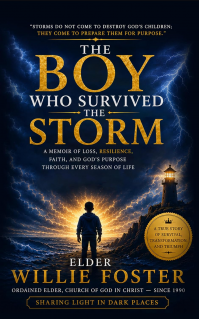
Your memoir, "The Boy Who Survived the Storm," is deeply personal. What motivated you to share your story?I was the fourteenth of eighteen children. At approximately two years of age, I experienced separation from my family and entered a childhood marked by circumstances I was too young to understand.There were questions about belonging, family, and identity that followed me through different seasons of life.For many years, those experiences remained part of my personal history. But as I grew older, I began to recognize that my story was not simply a record of what happened to me. It was also a testimony of survival, perseverance, and the possibilities that remained despite those early circumstances.My life eventually included military service in Korea, professional responsibilities, labor leadership, education, family, and ministry. None of those opportunities could have been imagined by the little boy who experienced those early separations.
I decided to write the memoir because I wanted my children and future generations to understand something about the road I traveled.I also wanted to reach people who may be struggling with abandonment, rejection, loss, or difficult beginnings.I cannot promise that every painful experience will have an explanation we can understand. But I believe our beginnings do not have to become the final definition of our lives.That is one of the central messages of The Boy Who Survived the Storm.
What role did faith play in helping you overcome the hardships and challenges described in your memoir?Faith has given me a way to look beyond the immediate circumstances of life.There have been times when I could not understand why certain things happened. I have experienced disappointment and loss, and I know that being a Christian does not exempt anyone from suffering.But I have also learned that difficult circumstances do not necessarily mean God has abandoned us.Romans 8:28 reminds believers that God works all things together for good to those who love Him and are called according to His purpose.That does not mean everything that happens to us is good. It means God is not limited by the difficulties we experience.Looking back over my life, I can recognize opportunities, relationships, and changes of direction that helped shape the person I became.Faith has encouraged me to keep moving forward, even when I could not see what lay ahead.
Looking back on your life and ministry, was there a particular experience that changed your understanding of God or your purpose?I would not limit that understanding to one event. For me, it developed over many years.As a child, I had little control over the circumstances of my life. I could not determine where I would live, who would care for me, or what opportunities would eventually become available.Yet that same child grew into a man who served his country, pursued an education, represented working people, raised a family, and eventually entered ordained ministry.When I consider that journey, I am reminded that our understanding of God's purpose often develops gradually.There is a difference between living through an experience and understanding what that experience has taught us.I have come to believe that some of the difficulties we survive can deepen our compassion for others and prepare us for responsibilities we could not have anticipated.That understanding has influenced the way I teach, preach, and write. I try not to judge a person's future by the circumstances of the present.
How has your experience as a preacher and ministry leader influenced the way you communicate through your books?Preaching has taught me that communication carries responsibility.
It is possible to speak at length, use impressive language, and still leave people uncertain about what has been said.When I teach Scripture, I want people to understand the passage, recognize its context, and see how it applies to their lives.I approach writing with that same responsibility.I also recognize that readers may disagree with some of my conclusions. That does not trouble me as much as the possibility that they might accept or reject an argument without examining the Scriptures for themselves.My goal is to encourage thoughtful, informed biblical understanding.
What misconceptions about Christianity or Scripture do you most hope to challenge through your writing?One misconception is that religious tradition and biblical authority are always the same thing.Traditions can be useful, and many have developed from sincere efforts to honor God. But every tradition must remain subject to the authority of Scripture.Another misconception is that Christianity consists primarily of church attendance, religious identification, or familiarity with biblical language.Jesus consistently emphasized the relationship between hearing His words and obeying them.I also want readers to recognize the danger of interpreting isolated passages without considering their context.My purpose is not to create controversy for its own sake. It is to encourage believers to examine what they have been taught and develop convictions grounded in Scripture.
Your ministry is guided by the message "Sharing Light in Dark Places". What does that mission mean to you personally?That statement expresses much of what I hope to accomplish through EWF Ministries.When people hear the word darkness, they may immediately think of sin or evil. Certainly, Scripture uses darkness in those ways. But darkness can also describe circumstances in which people lack understanding, direction, encouragement, or hope.I know something about difficult beginnings and about living with questions that do not have immediate answers.I also know that people can spend years in religious environments without fully understanding some of the Scriptures they have heard repeatedly.For me, sharing light means helping people see more clearly through the truth of God's Word.Psalm 119:130 declares, "The entrance of thy words giveth light; it giveth understanding unto the simple."That passage expresses the principle behind the ministry. God's Word provides understanding, and that understanding should be shared.Whether I am writing about the teachings of Jesus, examining a difficult theological question, or sharing experiences from my own life, I want the reader to discover something that brings greater understanding, strengthens faith, or encourages perseverance.
I do not believe light is something we possess for our own benefit alone. We have a responsibility to share what God has allowed us to learn.That is what Sharing Light in Dark Places means to me.
What has your experience with AllAuthor been like, and what feedback would you share with the AllAuthor team?My experience with AllAuthor has been encouraging, particularly as I have worked to increase awareness of my books and establish a stronger presence as an independent author.I appreciate the opportunity to maintain an author profile, introduce readers to my publications, and participate in promotional activities such as the Cover of the Month contest.I am especially appreciative of this interview opportunity because it allows readers to understand something about the experiences, convictions, and purposes behind my writing.Independent authors often face the challenge of making their work visible in a crowded publishing environment. Services that help readers discover books and learn about the people who write them can make a meaningful contribution.I would encourage the AllAuthor team to continue developing opportunities that give independent authors greater visibility while maintaining a personal connection with their readers.I appreciate the invitation and the interest shown in my work.