Larenze Jordan Rios Interview Published on: 19, Jun 2026
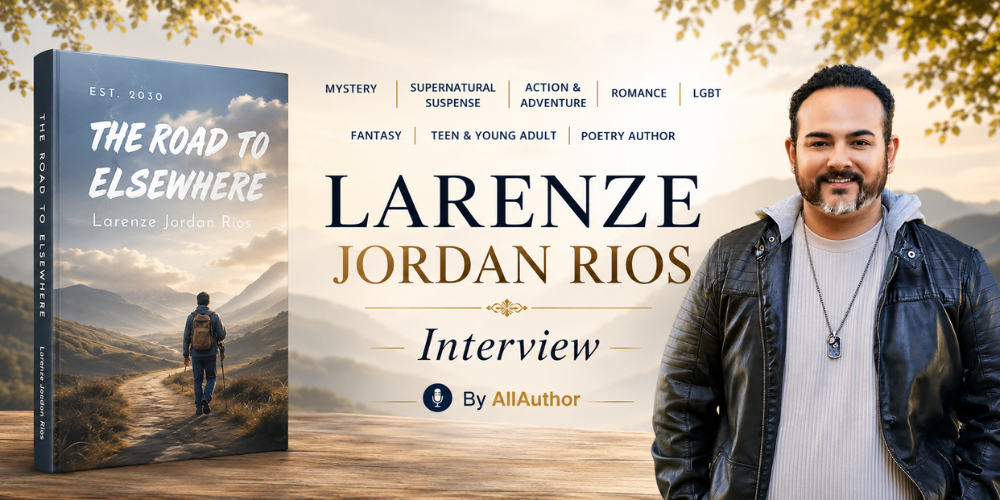 Your writing draws deeply from your lived experience with schizophrenia—what first inspired you to turn those experiences into creative expression?
My experiences with schizophrenia often felt impossible to explain through normal conversation alone. Writing became a way for me to translate emotions, confusion, fear, hope, and imagination into something people could feel and understand. Creativity gave me a voice when I felt misunderstood, and over time it became more than expression—it became survival, purpose, and identity.
How did your diagnosis at 17 shape your perspective on life, and how is that reflected in your books?Being diagnosed at 17 changed the way I viewed reality, relationships, and even myself. It forced me to mature quickly and confront questions about identity, independence, and meaning. In my books, that perspective shows up through themes of isolation, resilience, emotional depth, and the search for belonging and self-worth.
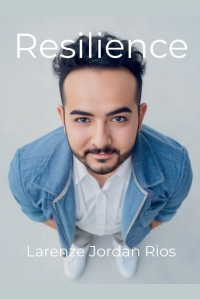
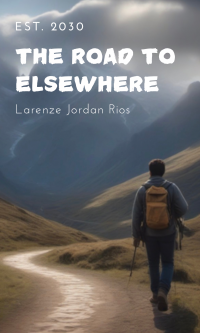
In works like The Road to Elsewhere and Resilience, themes of struggle and growth are prominent—how do you balance vulnerability with strength in your storytelling?I try to be honest about pain without letting pain define the entire story. Vulnerability allows readers to connect with the human side of my experiences, while strength comes from showing perseverance and growth through those hardships. I believe both can exist together, and that balance reflects real life.
Can you share what the creative process looked like during your recovery journey? Did writing evolve alongside your healing?Absolutely. In the beginning, writing was raw and emotional—a release of everything I was carrying internally. As my recovery evolved, my writing became more reflective, intentional, and structured. Healing taught me how to transform difficult experiences into narratives that could inspire or comfort others.
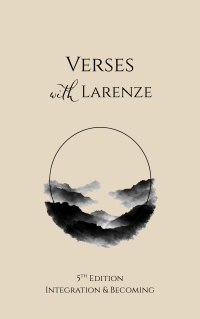
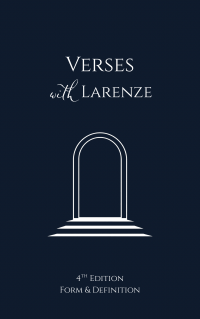
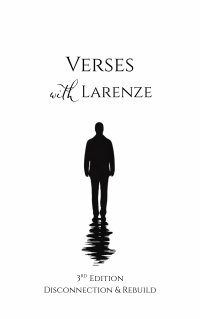
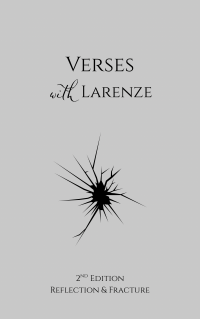
Your Multiform Series, including Verses with Larenze, blends different forms of expression—what drew you to experiment with structure and style?I’ve always believed emotions and stories don’t exist in only one format. Some feelings sound like music, some feel like poetry, and others unfold visually or cinematically. The Multiform Series allowed me to combine those creative dimensions into one experience that feels immersive and personal.
How does your work aim to challenge or reshape public perceptions of schizophrenia and mental health?I want people to see that schizophrenia does not erase humanity, creativity, intelligence, or ambition. Too often, mental illness is reduced to stereotypes or fear. Through my work, I hope readers see the emotional complexity, imagination, and resilience behind the diagnosis rather than just the label itself.
Many readers connect with your exploration of independence and identity—what message do you hope they take away from your journey?I hope readers understand that identity is not defined solely by struggle or circumstance. Even in difficult moments, people still have the ability to create, dream, rebuild, and evolve. I want others to know that their story still has value, even when life feels uncertain.
What role did your support system—medical providers, family, and community—play in both your recovery and your creative output?Support played a major role in helping me stabilize and continue moving forward. Medical providers helped me better understand my condition, while family and community support reminded me I wasn’t alone. Creativity flourished more freely when I had people encouraging me to keep going and believing in my potential.
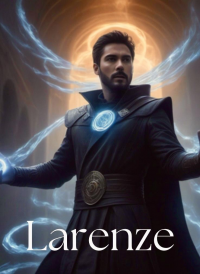
In Dark Thirst and Larenze, emotion plays a powerful role—how do you channel complex feelings into your writing without becoming overwhelmed?I’ve learned to approach writing with both honesty and boundaries. Instead of reliving emotions uncontrollably, I try to shape them into art with intention and reflection. Writing allows me to process emotions externally, turning overwhelming feelings into something meaningful and constructive.
How do music and fine art complement your writing? Do they influence each other in your creative process?Definitely. Music influences the rhythm, tone, and atmosphere of my writing, while fine art influences imagery and emotion. Sometimes I’ll hear a melody that inspires a chapter, or visualize a scene artistically before writing it. All of my creative outlets are interconnected.
Looking back, was there a defining moment when you realized that creativity could be a tool for reclaiming your voice?There was a moment where I realized that people connected deeply with my words because they felt authentic. That showed me creativity wasn’t just personal therapy—it was communication. It became a way to reclaim my narrative and transform experiences that once silenced me into something empowering.
Your work often touches on relationships and personal hardships—how do you approach writing about such sensitive experiences?I try to write from a place of reflection rather than reaction. Sensitive experiences are approached carefully, with emotional honesty but also respect for the people and moments involved. My goal is not to sensationalize pain, but to explore the lessons, emotions, and humanity within those experiences.
What challenges did you face in pursuing education or employment, and how have those experiences shaped your narratives?Balancing mental health challenges with education and employment created obstacles related to focus, confidence, stability, and social pressures. Those experiences shaped my narratives by giving me firsthand insight into perseverance and the emotional realities many people quietly face while trying to build a future.
For others living with mental health challenges, what advice would you give about finding their own form of self-expression?Don’t worry about creating something perfect—focus on creating something honest. Self-expression can be writing, music, painting, photography, movement, or anything that helps you process and communicate your experiences. Your voice matters, even if it begins quietly.
How has your experience with AllAuthor been?My experience with AllAuthor has been positive in helping me expand my visibility as an independent author. Platforms like AllAuthor create opportunities for writers to showcase their work, connect with readers, and strengthen their presence within the literary community.